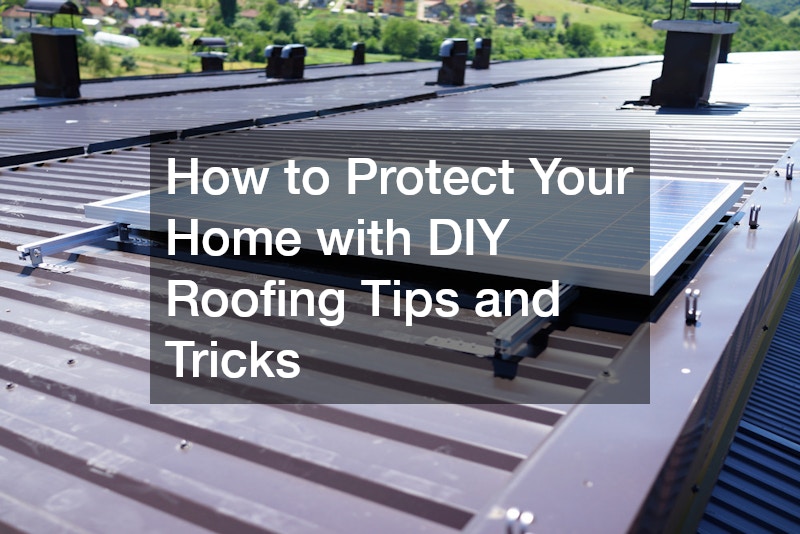
Owning a home is one of the largest investments many people make, and maintaining that investment requires consistent attention. While homeownership can feel expensive at times, smart maintenance strategies can dramatically reduce long-term costs. The key is not necessarily spending more money—it’s spending money wisely and addressing issues early before they grow into major repairs.
Many homeowners make the mistake of delaying maintenance because they want to avoid immediate expenses. Unfortunately, small issues often become much more expensive problems when ignored. A tiny roof leak can turn into structural damage, minor driveway cracks can expand into major surface deterioration, and neglected systems can fail unexpectedly. Preventative upkeep helps protect your home’s structure, safety, and value.
Maintaining your home on a budget doesn’t mean cutting corners. Instead, it means understanding which tasks should be prioritized, which upgrades provide the best long-term value, and when it’s worth bringing in professionals to ensure the job is done correctly. With the right planning, homeowners can keep their properties in excellent condition without overspending.
Smart maintenance focuses on three major principles:
- Prevent problems before they start
- Address small repairs quickly
- Invest in improvements that last
By taking a proactive approach, homeowners can avoid emergency repairs and spread maintenance costs more evenly throughout the year.
This guide explores practical, cost-effective strategies for maintaining your home, from protecting exterior structures to improving interior organization and efficiency. These tips will help you create a manageable maintenance routine that protects your property and keeps your home comfortable for years to come.
Create a Yearly Home Maintenance Plan to Avoid Costly Surprises
One of the most effective ways to maintain a home on a budget is to create a structured maintenance plan. When homeowners rely on memory alone, important tasks are often overlooked. A simple yearly schedule helps ensure that critical systems and surfaces are inspected regularly.
A home maintenance plan allows you to:
- Catch problems early
- Spread expenses across the year
- Avoid expensive emergency repairs
- Keep your home functioning efficiently
Instead of waiting until something breaks, proactive inspections help identify small issues while they are still affordable to fix.
Break Maintenance Tasks Into Seasonal Checklists
Organizing maintenance tasks by season makes them easier to manage.
Spring tasks may include:
- Inspecting roofing and gutters after winter storms
- Cleaning outdoor surfaces
- Checking air conditioning systems
- Evaluating landscaping and tree growth
Summer tasks often include:
- Sealing outdoor surfaces
- Inspecting fencing and decks
- Cleaning windows and siding
- Addressing drainage issues
Fall tasks may include:
- Preparing heating systems
- Cleaning gutters again
- Checking attic insulation
- Inspecting exterior paint
Winter tasks often focus on:
- Monitoring heating performance
- Checking for drafts or insulation issues
- Inspecting indoor plumbing
Track Repairs and Service History
Maintaining a simple home maintenance record can also save money over time. Keep track of:
- Service visits
- Repair receipts
- Installation dates for major systems
- Warranty information
This information helps you anticipate when systems may need replacement and allows service professionals to understand your home’s history.
Set Aside a Maintenance Budget
Financial planning is another important step. Experts often recommend setting aside about
1–3% of your home’s value each year
for maintenance. This doesn’t mean you will spend that amount annually, but having a reserve fund ensures you’re prepared when repairs arise.
With a clear plan and budget in place, homeowners can handle upkeep gradually rather than facing sudden, overwhelming expenses.
Start With the Roof and Structural Protection First
Your home’s roof and surrounding landscape play a crucial role in protecting the entire structure. Water damage is one of the most expensive problems homeowners face, which is why roof maintenance should always be a top priority.
Working with a local roofer for periodic inspections can help identify early signs of wear before leaks develop. Roof professionals are trained to recognize subtle problems that may not be obvious from the ground.
Common issues a roofer may detect include:
- Missing or damaged shingles
- Flashing deterioration around chimneys and vents
- Loose or damaged ridge caps
- Early signs of water intrusion
Addressing these issues quickly is usually far less expensive than repairing water damage inside the home.
Schedule Regular Roof Inspections
Homeowners should consider professional inspections:
- After severe storms
- Every few years, for aging roofs
- Before selling or purchasing a home
Preventative inspections allow minor repairs to be completed before they escalate.
Manage Tree Growth Around the Roof
Trees are another important factor in roof protection. Overhanging branches can scrape roofing materials, clog gutters with debris, and increase the risk of storm damage.
Hiring a local tree service to maintain safe tree spacing around your home can prevent these issues. Professional trimming improves both safety and the health of the trees themselves.
Benefits of proper tree maintenance include:
- Reduced roof damage risk
- Better sunlight exposure
- Lower likelihood of falling branches
- Improved airflow around the home
Preventative tree care may seem like an extra expense, but it often saves homeowners thousands in structural repairs over time.
Maintain Outdoor Surfaces Before Damage Spreads
Exterior surfaces experience constant exposure to weather, temperature changes, and daily wear. Over time, these conditions can cause materials to crack, fade, or deteriorate.
One of the most common maintenance issues homeowners encounter is driveway damage. Small cracks in asphalt may appear minor at first, but they allow water to seep beneath the surface. As temperatures fluctuate, expanding and contracting moisture can widen these cracks significantly.
Scheduling asphalt crack repair early can extend the life of your driveway and prevent costly resurfacing. Filling cracks prevents water infiltration and helps maintain the structural integrity of the pavement.
Simple Driveway Maintenance Tips
Homeowners can protect asphalt surfaces by:
- Cleaning debris regularly
- Sealing cracks promptly
- Applying protective sealcoating periodically
- Preventing heavy vehicle loads in vulnerable areas
Regular attention can dramatically extend the lifespan of outdoor surfaces.
Protect Property Boundaries and Privacy
Fencing is another exterior element that requires periodic maintenance. Weather exposure can weaken materials, cause discoloration, and lead to structural instability.
Working with a local fence company allows homeowners to repair damaged sections rather than replacing entire fences prematurely.
Common fence maintenance tasks include:
- Replacing broken boards or panels
- Reinforcing loose posts
- Cleaning and sealing wood surfaces
- Repairing gates and hardware
Professional inspections can identify weak areas before storms or strong winds cause larger sections to fail.
Maintaining exterior surfaces may seem like a small detail, but these elements contribute significantly to curb appeal and property protection.
Improve Storage and Organization Without Major Renovations

Home improvement projects don’t always require major construction. In many cases, improving storage and organization can dramatically enhance how a home functions without requiring extensive renovations.
One of the most effective upgrades involves installing a custom closet system. Professionally designed closets maximize vertical space, eliminate clutter, and create more usable storage areas.
A well-designed custom closet can include:
- Adjustable shelving
- Built-in drawers
- Hanging sections for different garment lengths
- Shoe storage systems
- Accessory organizers
These systems help homeowners make better use of available space, particularly in smaller homes or older properties where storage is limited.
Improve Visual Appeal With Affordable Updates
Another budget-friendly improvement that delivers significant visual impact is interior painting. Fresh paint can completely transform a room, making it feel brighter, cleaner, and more modern.
Hiring professionals for interior painting ensures:
- Smooth finishes
- Clean trim lines
- Proper surface preparation
- Long-lasting durability
Strategic color choices can also make rooms appear larger and more inviting.
Popular interior color trends include:
- Warm whites
- Soft neutral tones
- Earth-inspired colors
- Subtle accent walls
Combining organized storage with fresh paint creates a noticeable improvement in both functionality and appearance without requiring major renovations.
Address Heating and Cooling Efficiency Early
Heating and cooling systems are among the most important components of a home’s comfort and efficiency. Unfortunately, these systems are often overlooked until they stop working.
Routine maintenance from an ac repair company can significantly extend the lifespan of cooling systems while reducing energy costs.
Professional servicing typically includes:
- Cleaning internal components
- Checking refrigerant levels
- Inspecting electrical connections
- Testing airflow and performance
Regular servicing ensures the system runs efficiently and prevents excessive wear on critical components.
Signs Your Cooling System May Need Attention
Homeowners should watch for warning signs such as:
- Weak airflow
- Unusual noises
- Inconsistent temperatures
- Rising energy bills
Addressing these issues early often prevents larger repairs or full system replacement.
Simple Maintenance Homeowners Can Perform
Homeowners can also take several steps to support HVAC efficiency:
- Replacing air filters regularly
- Keeping vents unobstructed
- Cleaning outdoor condenser units
- Sealing air leaks around windows and doors
These simple habits reduce strain on the system and help maintain consistent indoor temperatures.
Improving HVAC efficiency not only lowers energy costs but also enhances overall comfort.
Keep Your Home’s Waste and Water Systems Functioning Properly
Waste management systems are another critical but often overlooked component of home maintenance. When problems occur in these systems, repairs can be both inconvenient and expensive.
Homes that rely on septic systems require periodic inspections and pumping to prevent system overload. Scheduling regular septic services ensures waste is processed efficiently and reduces the risk of backups.
Professional maintenance may include:
- Inspecting the tank and drain field
- Pumping accumulated waste
- Checking for leaks or blockages
- Evaluating system performance
Warning Signs of Potential System Problems
Homeowners should pay attention to warning signs such as:
- Slow drains
- Unpleasant odors
- Wet areas near the drain field
- Gurgling sounds in plumbing fixtures
Ignoring these symptoms can lead to severe system failures that require extensive repairs.
Preventative Habits That Protect Septic Systems
Homeowners can also protect their systems by:
- Avoiding flushing non-biodegradable items
- Limiting grease and oil disposal
- Spreading out water usage throughout the day
- Protecting drain fields from heavy vehicles
Regular care helps ensure these systems function properly for many years.
Upgrade Flooring Strategically for Durability and Value

Flooring plays a major role in both the appearance and durability of a home’s interior. Worn or outdated floors can make a space feel older than it actually is, while high-quality materials can dramatically improve the overall atmosphere.
Visiting flooring stores allows homeowners to compare a wide variety of materials and find options that balance cost, durability, and design preferences.
Popular budget-friendly flooring choices include:
- Luxury vinyl plank
- Engineered hardwood
- Laminate flooring
- Durable ceramic tile
Each material offers unique advantages depending on the room and level of foot traffic.
Choose Flooring Based on Lifestyle
For example:
- Kitchens benefit from water-resistant materials
- Living rooms often prioritize comfort and aesthetics
- Entryways require highly durable surfaces
Professionals at flooring stores can recommend products that match both the homeowner’s budget and lifestyle needs.
Extend the Lifespan of Existing Floors
Homeowners can also preserve their floors through simple maintenance practices:
- Using protective furniture pads
- Cleaning spills quickly
- Regular sweeping and vacuuming
- Using appropriate cleaning products
These habits prevent premature wear and maintain the appearance of flooring materials.
Don’t Overlook Garage Functionality and Safety
Garages are often one of the most frequently used spaces in a home, yet they are commonly overlooked in maintenance routines. The garage door system plays a major role in both convenience and home security.
Professional inspections from garage door companies can identify mechanical issues before they become safety hazards.
Garage doors rely on several moving components, including:
- Springs
- Tracks
- Rollers
- Cables
- Motorized openers
Over time, these parts can wear down or lose alignment.
Warning Signs Your Garage Door Needs Servicing
Homeowners should watch for:
- Loud or unusual noises
- Slow or uneven movement
- Door misalignment
- Remote control malfunctions
Ignoring these symptoms can lead to sudden system failure.
Simple Maintenance Tips
Homeowners can extend the life of garage door systems by:
- Lubricating moving parts regularly
- Cleaning tracks
- Testing safety sensors
- Checking balance and alignment
Regular servicing ensures the door operates smoothly and safely.
Plan Small Upgrades That Deliver Long-Term Savings

Home maintenance doesn’t always require large investments. In many cases, small improvements completed consistently can deliver significant long-term benefits.
Examples of smart small upgrades include:
- Sealing windows and doors
- Installing energy-efficient lighting
- Improving insulation
- Updating weather stripping
- Replacing worn hardware
These improvements enhance comfort while reducing ongoing expenses.
Prioritize Projects Based on Impact
When deciding which projects to complete first, consider factors such as:
- Safety risks
- Potential for damage escalation
- Energy efficiency improvements
- Everyday convenience
Addressing high-impact issues early prevents future problems and helps maintain property value.
Combine Projects for Greater Efficiency
Homeowners can also save money by grouping related projects together. For example, completing exterior maintenance tasks during the same season reduces labor costs and minimizes disruption.
With careful planning, even modest upgrades can significantly improve both the functionality and value of a home.
Conclusion
Maintaining a home on a budget requires thoughtful planning, consistent attention, and a proactive mindset. Rather than waiting for major problems to arise, homeowners can protect their investment by addressing small issues early and prioritizing preventative care.
By focusing on key areas such as structural protection, exterior maintenance, storage improvements, system efficiency, and routine inspections, homeowners can significantly reduce long-term repair costs. Many of the most effective improvements are relatively simple, yet they play a major role in preserving the comfort, safety, and value of a property.
The most successful homeowners approach maintenance as an ongoing process rather than a one-time effort. Small upgrades completed regularly can prevent larger issues, improve everyday living conditions, and extend the lifespan of critical systems throughout the home.
With a well-organized maintenance plan and the right professional support when needed, it’s entirely possible to keep a home in excellent condition without overspending. Smart upkeep ensures your home continues to serve your needs while protecting one of your most important financial investments.