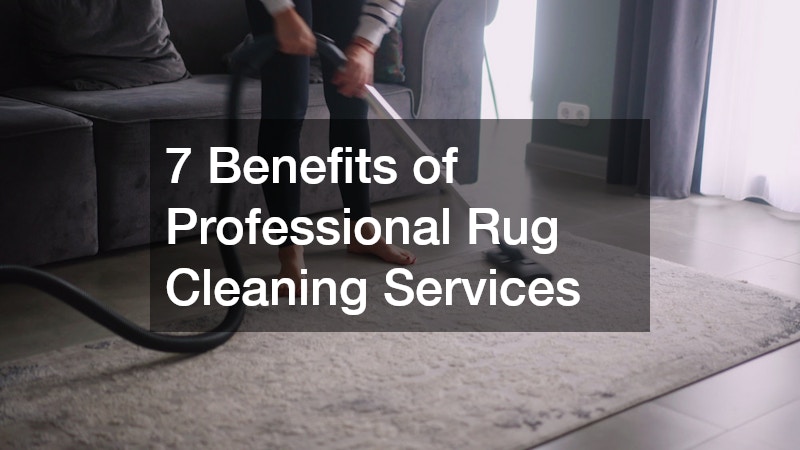
Maintaining clean floors is essential for a healthy, welcoming home. Whether your space has plush carpets or sleek hardwood, keeping them in top condition requires a combination of routine care and proactive strategies. This article explores three practical methods to maintain carpet and flooring cleanliness and protect your investment.
1. Regular Vacuuming and Sweeping
One of the most effective ways to maintain clean floors is through consistent vacuuming or sweeping. Carpets trap dust, pet dander, and dirt deep within their fibers, which can lead to wear and tear over time.
For high-traffic areas, daily sweeping or vacuuming helps prevent buildup, while less-used rooms may only require two to three sessions per week. Using a vacuum with strong suction and a HEPA filter can capture fine particles that traditional vacuums often miss, improving indoor air quality.
In addition to carpets, hard flooring surfaces such as tile, laminate, and hardwood benefit from frequent sweeping. Dust and debris left unattended can scratch surfaces and create an uneven, dull appearance. For best results, pair sweeping with a damp mop once or twice a week. This combination removes residual dust and grime, helping to maintain a polished finish and prolong the floor’s lifespan.
Paying attention to corners, edges, and under furniture is crucial. Dirt tends to accumulate in these areas, which routine cleaning might overlook. Moving furniture occasionally and using attachments designed for tight spaces ensures that no hidden dirt compromises your floors. Over time, this regular maintenance builds a solid foundation for overall cleanliness.
2. Prompt Stain Treatment
Even with the most diligent vacuuming routine, spills and stains are inevitable. Treating stains immediately prevents them from setting into the fibers or seeping into porous surfaces. For carpets, blotting a spill with a clean, absorbent cloth is essential; rubbing can push the stain deeper, making it harder to remove. Using a mild, carpet-friendly cleaner or a homemade solution of water and vinegar can often lift stains effectively.
For hardwood and laminate, the approach is slightly different. Liquids can seep into seams and damage the subfloor if not addressed quickly. Use a soft cloth to absorb spills and follow up with a gentle floor cleaner suitable for the specific material. Avoid harsh chemicals that can strip finishes or discolor surfaces. Consistently addressing stains as they happen protects the structural integrity and appearance of your carpet and flooring.
Beyond immediate cleanup, prevention plays a key role. Place mats at entrances to trap dirt and encourage family members to wipe their feet before stepping onto clean surfaces. For homes with pets or young children, consider implementing area rugs in zones that experience heavier use. These barriers absorb spills and reduce the frequency of deep cleaning sessions, keeping your floors looking fresh longer.
3. Deep Cleaning and Professional Services
While regular maintenance is essential, periodic deep cleaning is necessary to remove accumulated dirt and restore the vibrancy of floors. For carpets, a deep steam cleaning or hot water extraction treatment penetrates fibers to eliminate embedded grime and allergens. Performing this process at least once or twice a year can dramatically improve the longevity of carpeted areas and enhance overall indoor hygiene.
Hard flooring also benefits from professional attention. Tile and grout cleaning, for instance, requires specialized equipment and solutions to reach narrow joints and remove stubborn stains. Hardwood floors can be buffed, polished, or refinished to revive their natural luster, especially in older homes or spaces with heavy traffic. Even homeowners who prefer DIY methods can invest in rental machines for a more thorough cleaning, but professional services often achieve a level of detail that is hard to replicate.
In addition to equipment, experts can provide guidance on floor care routines tailored to the material type. This ensures that cleaning techniques do not inadvertently damage finishes or reduce the lifespan of your flooring. Investing in professional deep cleaning may seem like an extra cost, but the long-term benefits—including reduced replacement frequency and improved home health—often outweigh the expense.
Maintaining clean and attractive floors requires a combination of regular upkeep, timely intervention, and occasional professional care. Consistent vacuuming and sweeping remove daily debris, while prompt stain treatment prevents long-term damage. Deep cleaning, whether DIY or professional, restores the vibrancy of your surfaces and prolongs their life. By integrating these practices into your home care routine, you protect your investment, create a healthier environment, and enjoy the beauty of well-maintained carpet and flooring in your living space.