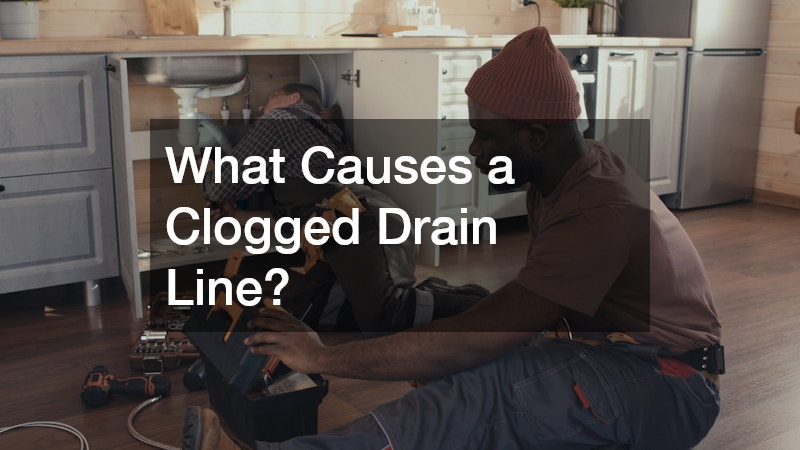
A clogged drain line is a common and frustrating plumbing problem for homeowners and property managers. It often starts as a slow-draining sink or shower and can escalate to backups, unpleasant odors, or water damage if not resolved. Understanding what causes a clogged drain line is essential for maintaining an efficient plumbing system and preventing costly repairs.
Drain blockages usually develop over time from everyday use, installation issues, or external environmental factors. This article explores the common causes of clogged drain lines, explains how plumbing design impacts drainage, and highlights environmental conditions that can worsen the problem.
What Are the Common Causes of a Clogged Drain Line?
Most drain clogs form gradually as materials build up inside pipes and restrict water flow. The blockage source depends on the location, such as a bathroom, kitchen, or main drain line.
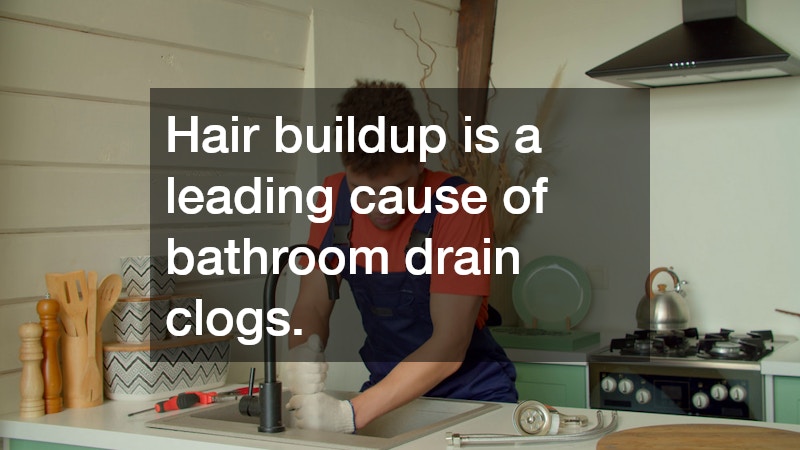
Hair buildup is a leading cause of bathroom drain clogs. Hair slips past drain covers, collecting inside pipes, binding with soap residue, toothpaste, skin cells, and other debris to form clumps that slow water flow or block it completely. Shower and bathtub drains are especially vulnerable due to handling large hair volumes. Bathroom sinks clog similarly, particularly from grooming debris or hygiene-related waste. These clogs begin subtly but worsen if not addressed early.
In kitchens, grease and oil frequently cause clogs. Hot grease seems harmless but solidifies as it cools, coating pipe interiors and trapping food particles, creating blockages. Even small amounts of cooking oil or fatty food residue contribute to buildup. Hot water and dish soap may temporarily move grease but rarely eliminate it, allowing clogs to form over time.
Foreign objects quickly cause serious blockages, particularly in toilets and main drain lines. Items like wipes, paper towels, hygiene products, and excessive toilet paper can lodge in pipes and restrict flow immediately. In sinks and showers, small objects like jewelry, caps, or cleaning tool pieces can get stuck, trapping more debris and turning partial obstructions into full blockages that require professional removal.
How Do Plumbing Installations Impact Drain Functionality?
Even with careful use, some drain clogs are caused or worsened by the way the plumbing system was installed. Poor design or improper installation can significantly increase the likelihood of recurring drainage issues.
Drain pipes must be installed with proper sizing, routing, and venting to allow waste and water to flow freely. Poor installations may involve pipes that are too small, fitted incorrectly, or routed with unnecessary bends that slow down drainage. Inadequate venting can also contribute to drainage problems by disrupting air pressure within the system. When air cannot flow properly, water movement slows, allowing debris to settle inside the pipes and form clogs. These issues often result in slow drains, gurgling sounds, and recurring blockages throughout the home.
Pipe misalignment is another common contributor to clogged drain lines. This occurs when pipe sections do not line up correctly, creating edges or offsets inside the pipe where debris can catch. Misalignment may be the result of poor installation, aging infrastructure, or previous repairs that were not completed properly. Over time, waste collects at these uneven joints, leading to frequent clogs that return even after cleaning. Misaligned pipes are especially common in older plumbing systems and often require professional inspection to identify.
Drainage systems rely on gravity to move waste efficiently. If a pipe does not have the correct slope, water and solids will not travel through the system as intended. Pipes with too little slope allow waste to move too slowly, leaving solids behind that accumulate over time. Pipes with too much slope can cause water to move faster than solids, which also leads to buildup. Improper slope often results in chronic drainage issues that cannot be solved with basic drain cleaning methods alone.
What Are the Environmental Factors Influencing Drain Clogs?
Some drain line clogs originate outside the home and are influenced by environmental conditions. These issues are more common in older properties or areas with mature landscaping.
Tree roots are a major cause of clogs in main drain and sewer lines. Roots naturally seek moisture, and even small cracks or joints in underground pipes can attract them. Once roots enter the pipe, they continue to grow, forming dense networks that trap waste and restrict flow. Over time, root infiltration can crack or collapse the pipe entirely. This type of blockage often causes slow drains throughout the property, recurring backups, and unpleasant odors.
Soil movement is another environmental factor that affects drain lines. Changes in temperature, drought conditions, heavy construction, or natural settling can cause the ground around pipes to shift. When this happens, pipes may crack, separate, or become misaligned. Even minor soil movement can affect pipe joints and create obstruction points. These structural issues often lead to persistent clogs that are difficult to resolve without professional repairs.
Excessive rainfall and flooding can overwhelm drainage systems, particularly in areas where stormwater and sewer systems are connected. When the system becomes overloaded, water flow slows or reverses, increasing the risk of backups and blockages. Flooding can also push dirt, sediment, and debris into outdoor drains and main lines, creating clogs that affect the entire plumbing system. Homes in regions with frequent heavy rainfall may experience recurring drain issues during certain seasons.
Clogged drains can result from various causes, including household habits, plumbing issues, and environmental factors. Hair and debris block bathroom drains, while grease and food waste are common in kitchens. Foreign objects can cause severe blockages. Poorly installed pipes and incorrect slope increase recurring clogs. External factors like tree roots, soil shifts, and heavy rainfall can damage pipes.
Understanding these causes enables homeowners to take preventive steps. Regular maintenance, mindful use, and early inspections help keep plumbing systems efficient and reduce repair costs.