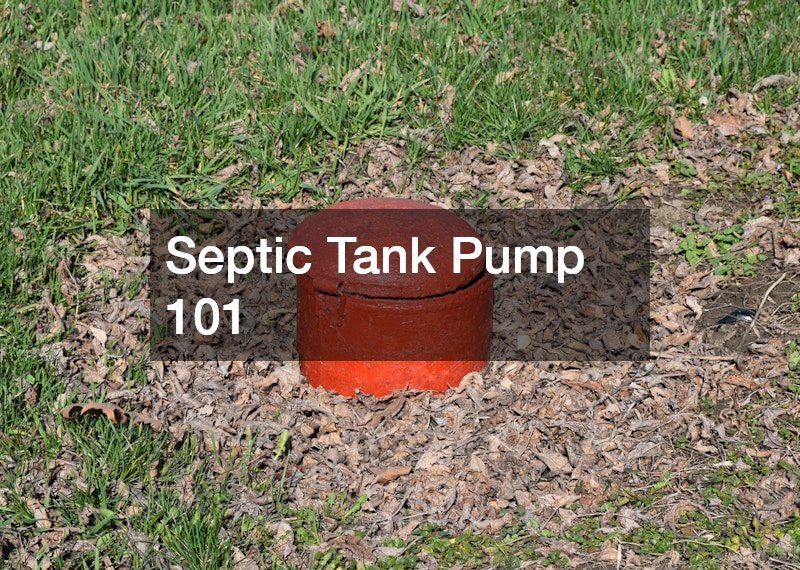
A septic tank pump is a critical component of any household or business that relies on a septic system. While most people rarely think about their septic systems, understanding how these systems work—and the role of the pump—can save homeowners significant money and prevent costly repairs. In this guide, we’ll walk through the basics of septic tank pumps, their maintenance, and common signs that your system may need attention.
What Is a Septic Tank Pump?
At its core, a septic tank pump is a mechanical device that moves wastewater from your home’s septic tank to the drain field or leach field. The pump is especially important in systems where the wastewater needs to travel uphill or across a long distance, as gravity alone may not be sufficient.
Essentially, it ensures that treated and untreated wastewater is properly directed, preventing backups or overflow.
Most modern septic systems have either a submersible pump or a grinder pump. Submersible pumps are installed inside the tank and are designed to handle liquid and small solid waste, while grinder pumps are more powerful and can macerate solids into smaller particles before pumping them out. Choosing the right type of pump depends on your property layout, tank size, and daily water usage.
How a Septic Tank Pump Works
Understanding how a septic tank pump functions can help homeowners spot problems early. When wastewater enters the septic tank, solids settle at the bottom while oils and lighter materials float to the surface. The middle layer, known as the effluent, contains partially treated wastewater.
The pump activates when the effluent reaches a certain level, pushing the liquid into the drain field. Some pumps operate on a float switch, which turns the pump on and off automatically, while others may use more advanced sensors to manage flow. Without a properly functioning pump, effluent could back up into the tank or even the home, creating sanitation hazards and costly repairs.
It’s also worth noting that not all septic systems require a pump. Gravity-fed systems are designed to allow wastewater to flow naturally into the drain field. However, for homes in low-lying areas or properties with uneven terrain, a septic tank pump is often necessary to maintain consistent flow.
Signs Your Septic Tank Pump Needs Attention
Homeowners should be alert for warning signs that a septic tank pump may be failing. Early detection can prevent emergencies and extend the life of your system. Some common indicators include:
- Slow Drains: If multiple drains in your home are draining slowly, it may indicate that the pump is struggling to move wastewater.
- Sewage Backup: A serious warning sign, sewage backup into sinks, tubs, or toilets often points to pump failure or clogging.
- Unusual Noises: Grinding, humming, or gurgling sounds near the septic tank may indicate that the pump motor is malfunctioning.
- Wet Spots in the Yard: Persistent wet areas around the septic system may suggest effluent is not being properly pumped into the drain field.
Routine inspections and maintenance can prevent these issues. Most experts recommend having your septic system inspected at least once a year, with the pump checked for wear, clogs, or electrical problems.
Maintaining Your Septic Tank Pump
Proper maintenance of a septic tank pump can significantly increase its lifespan. Here are some key steps to keep in mind:
- Regular Pumping: Septic tanks themselves should be pumped every three to five years, depending on household size and usage. This prevents solids from building up and overloading the pump.
- Check the Float Switch: The float switch activates the pump when the effluent reaches a certain level. Ensuring it moves freely and isn’t obstructed can prevent pump failure.
- Inspect Electrical Components: Pumps rely on electricity to operate, so inspecting wiring and circuit breakers can prevent unexpected shutdowns.
- Avoid Harsh Chemicals: Using strong chemicals like bleach or drain cleaners in excess can harm the pump and beneficial bacteria in the septic system.
Regular maintenance not only protects the pump but also helps the entire septic system function efficiently. Neglecting these tasks can lead to expensive repairs, health hazards, and environmental contamination.
Choosing the Right Pump
Selecting the right septic tank pump is crucial for system efficiency and longevity. Factors to consider include the pump’s flow rate, horsepower, and suitability for handling solids. A professional installer can recommend the appropriate pump based on your tank size, household water usage, and property layout.
A septic tank pump plays a vital role in maintaining a safe and efficient septic system. Understanding how it works, recognizing warning signs, and performing routine maintenance can save homeowners from costly repairs and potential health risks. Whether you have a submersible pump, a grinder pump, or a gravity-fed system, staying proactive about inspections and upkeep is key.
By investing in proper maintenance and understanding your system’s needs, you can ensure that your septic tank pump operates smoothly for years to come. Regular attention not only safeguards your property but also contributes to environmental health by preventing untreated wastewater from contaminating the soil and nearby water sources.