It usually starts with a moment of unease. You’re standing by the window during a steady spring downpour when something looks off. Water is pooling near the foundation or pouring over the edge of the roof instead of flowing through the gutters. The reality is that most water damage doesn’t come from extreme storms. It comes from routine maintenance that never got done.
A little preparation before the season hits can prevent expensive problems later.
Start Outside: Your Home’s First Line of Defense
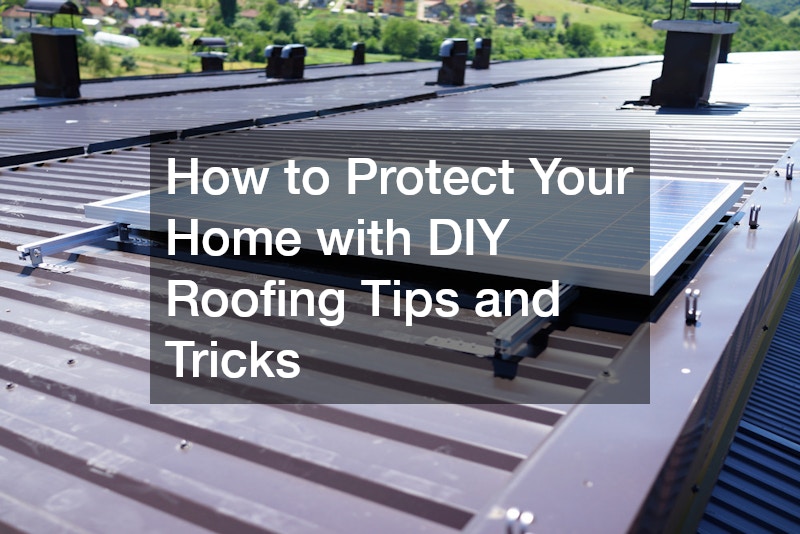
The roof is the first place to look, yet it’s often the most overlooked. A quick visual inspection can reveal early warning signs. Look for missing, cracked, or curling shingles that can allow water to seep underneath. Pay attention to flashing around chimneys, vents, and skylights, since these are common entry points for leaks. Moss or debris buildup is another issue. It traps moisture against the roof surface and accelerates wear. Catching these problems early is far more manageable than dealing with interior water damage later.
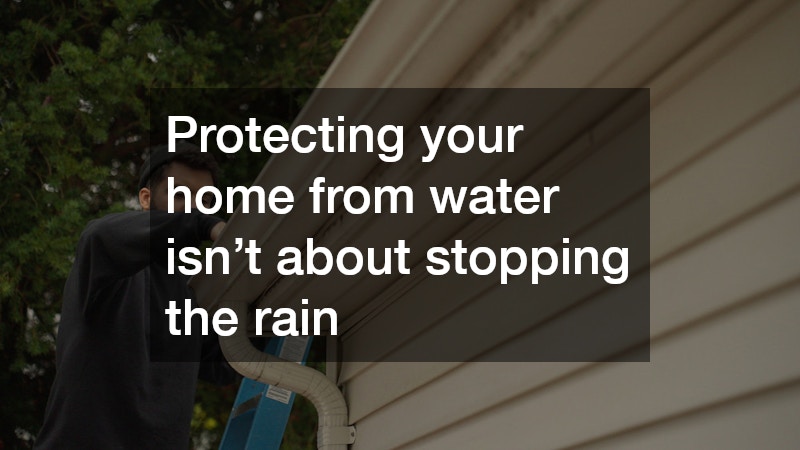
Gutters and downspouts play a critical role in directing water away from your home. When they’re clogged or sagging, water doesn’t flow where it should. Instead, it spills over the sides and can soak into fascia boards, soffits, and even the foundation. Cleaning gutters before the rainy season is essential, but it’s not always enough for long-term performance. Installing a gutter guard can reduce debris buildup and minimize the frequency of maintenance, especially if your property is surrounded by trees. It’s a practical upgrade that helps keep water moving in the right direction.
The ground around your home also matters more than many homeowners realize. Over time, soil naturally settles, often creating low spots that direct water toward the foundation instead of away from it. Ideally, the ground should slope gently away from the house to encourage proper drainage. If you notice water pooling near the base of your home, it may be time to regrade the area or add soil to correct the slope. Addressing this early can prevent long-term structural issues.
Work Inward: Vulnerabilities You Can’t See from the Street
Once the exterior is in order, it’s important to look at potential entry points for water. Windows and doors are common culprits. Over time, weatherstripping can wear down, and caulking can crack, creating small gaps that allow moisture inside. These issues are easy to overlook because they don’t always cause immediate problems. However, repeated exposure to water can lead to hidden damage within walls and around frames. A simple inspection and resealing where needed can make a noticeable difference.
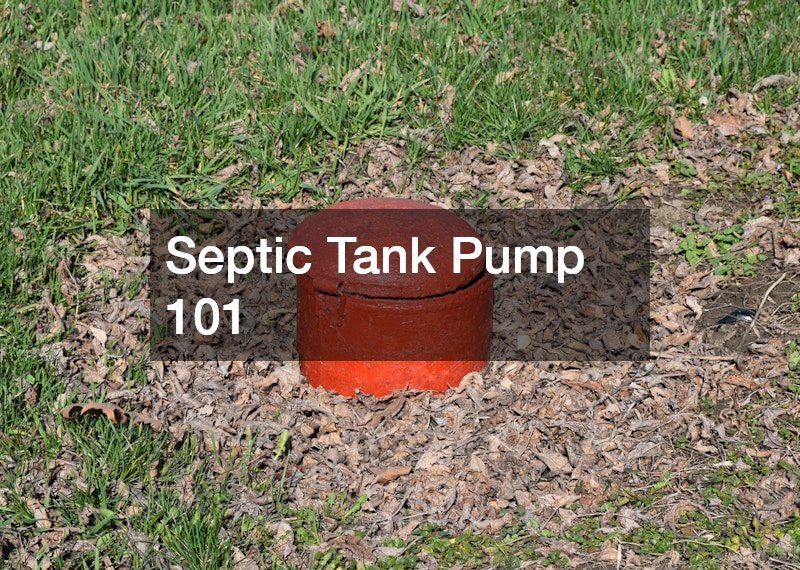
Basements and crawl spaces are particularly vulnerable during heavy rains. Before the season begins, take a few minutes to inspect these areas. Look for signs like white, chalky residue on walls, which indicates moisture movement, or a persistent musty smell that suggests damp conditions. Standing water, even in small amounts, is a red flag. If you have a sump pump, testing it is one of the most important steps you can take. Pour a bucket of water into the pit and make sure the pump activates and drains properly. It’s a quick task that can prevent thousands of dollars in damage.
The attic is another area that often gets overlooked in water management. Poor ventilation can lead to moisture buildup, especially as temperatures fluctuate in the spring. When warm, humid air becomes trapped, it can condense on cooler surfaces, mimicking the signs of a roof leak. Over time, this can damage insulation, wood framing, and even ceilings below. Ensuring proper airflow through vents and keeping insulation in good condition helps prevent these issues from developing.
Plan Ahead: Habits and Upgrades That Pay Off Season After Season
The most effective way to protect your property is to build maintenance into your routine. Instead of reacting to problems, aim to inspect key areas twice a year—once in the spring and again in the fall. A simple checklist can include roof and gutter inspections, checking seals around windows and doors, and confirming that drainage systems are functioning properly. Setting a schedule makes these tasks more manageable and reduces the likelihood of something being missed.
Landscaping can also play a role in how water moves around your home. Thoughtful planting near the foundation can help control runoff. Native ground cover, for example, can absorb water more effectively than bare soil. Rain gardens are another option, designed to collect and redirect excess water in a controlled way. Even simple choices like how you apply mulch can influence drainage. The goal is to work with natural water flow rather than against it.
It’s also important to recognize when a problem goes beyond basic maintenance. Small repairs like sealing gaps or clearing gutters are well within reach for most homeowners. However, persistent water issues, foundation cracks, or drainage failures often require professional evaluation. Waterproofing specialists and drainage contractors have the tools and expertise to diagnose and fix more complex problems. Bringing in help at the right time is part of responsible property care, not a last resort.
Picture that same heavy rainstorm again, but this time the experience is different. Water flows cleanly through the gutters, the ground slopes away from the house, and the basement stays dry because the sump pump was tested ahead of time. That sense of control doesn’t come from luck. It comes from preparation. Protecting your home from water isn’t about stopping the rain. It’s about making sure it has a clear path away from everything you want to keep safe.