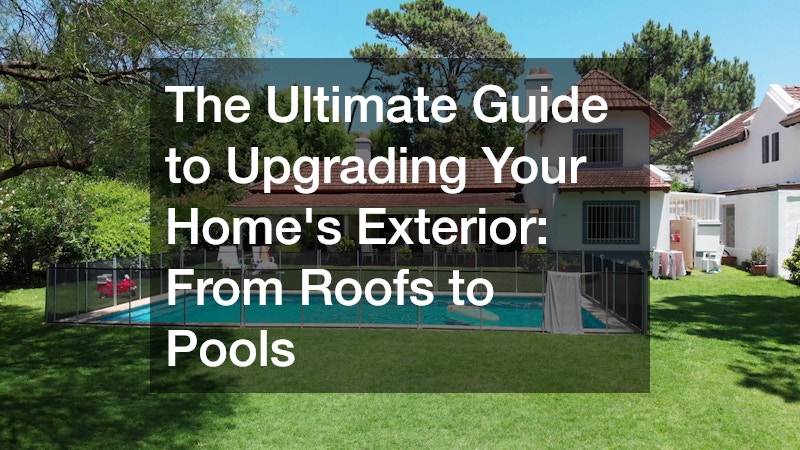
Your home’s exterior is the first thing guests, neighbors, and potential buyers see. It forms your property’s primary defense against the elements while serving as the backdrop for outdoor living, relaxation, and entertainment. When planned thoughtfully, exterior home upgrades do more than just boost aesthetic appeal; they expand your usable living space, improve structural longevity, enhance energy efficiency, and deliver impressive long-term financial returns.
Whether you are looking to fix aging structural elements, create an inviting backyard retreat, or execute a comprehensive overhaul of your entire property, navigating multiple renovation projects requires a clear roadmap. From overhead protection to foundational paving and custom aquatic features, every component plays a critical role in cohesive exterior design. This comprehensive guide breaks down the essential projects, materials, and expert strategies required to successfully transform your outdoor living space.
1. Protecting Your Home’s Primary Overhead Shield
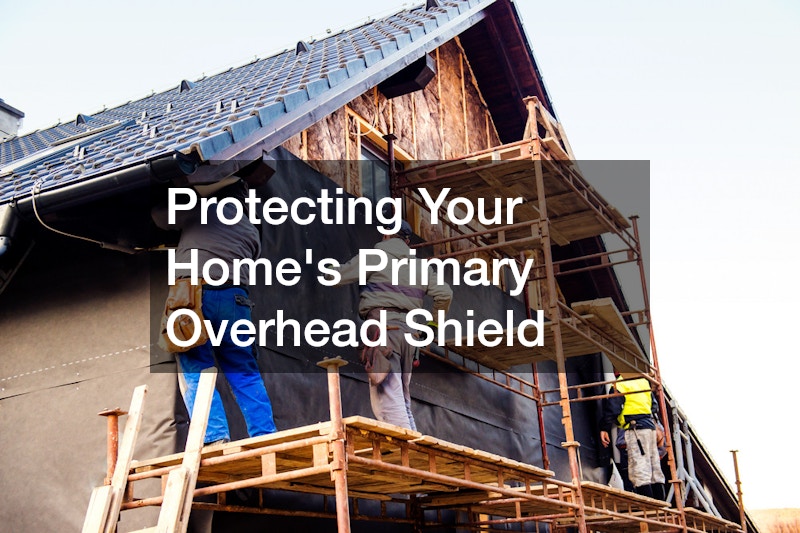
The overhead structure of your home is its most important protective barrier against harsh weather, rain, wind, and ambient moisture. Over time, shingles weather, underlayment degrades, and flashing weakens, exposing the interior structure to water intrusion and thermal inefficiency. Investing in structural updates at the very top of your residence ensures that all subsequent lower-level exterior investments remain protected from runoff and structural degradation.
A skilled local roofer can conduct a thorough assessment of your existing structure, identifying hidden vulnerabilities before they escalate into costly repairs. Modern overhead protection systems leverage advanced materials that reflect ultraviolet rays, optimize attic ventilation, and resist algae or wind damage, delivering both durable security and refined architectural detail to your home’s silhouette.
When planning an overhead restoration, consider the following factors:
- Material Durability: Choose options rated for regional weather extremes, such as heavy-duty dimensional asphalt, architectural slate, or metal standing seams.
- Ventilation Balance: Ensure continuous soffit and ridge airflow to reduce heat buildup in warmer months and mitigate ice dam formation in cold seasons.
- Flashing and Sealant Quality: Require premium waterproofing membranes around chimneys, dormers, and roof valleys to block moisture migration.
2. Elevating Main Wall Textures with Masonry Accents
While siding provides primary weatherproofing, adding textural depth through architectural stone completely transforms a flat facade into a dynamic, upscale feature. Stone accent walls, pillars, and entryway surrounds establish a sense of permanence and timeless craft that standard vinyl or stucco cannot replicate alone. Modern stone applications deliver the authentic appearance of natural quarry rock without requiring heavy, expensive structural supports.
By partnering with a reliable stone veneer supply distributor, homeowners gain access to a broad range of profiles, including stacked ledgestone, rustic fieldstone, and clean architectural cut stone. Adding these refined masonry touches around foundation walls, outdoor fireplaces, or accent columns instantly adds dimension and raises market value.
Key considerations for integrating stone accents include:
- Weight Distribution: Lightweight veneer panels can be installed over existing exterior sheathing without concrete footings.
- Moisture Management: Ensure proper drainage planes, wire lath backing, and mortar setting beds are used to eliminate water entrapment behind stones.
- Color Harmonization: Select stone tones that match your primary exterior paint, window trims, and surrounding natural landscape elements.
3. Securing Boundaries With Architectural Enclosures
Defining your property lines is essential for establishing privacy, safety for pets and children, and clear spatial separation between living areas. Beyond security, an enclosure serves as a prominent visual framing element for your entire yard. The right architectural enclosure ties together your landscaping, main structure, and hardscapes into one unified estate layout.
Consulting with an experienced fencing company helps you explore material options that meet both security goals and aesthetic preferences. Modern installations range from classic privacy screens to sleek ornamental steel, low-maintenance vinyl, and custom wooden horizontal slats designed for contemporary yards.
- Material Longevity: Evaluate vinyl, powder-coated aluminum, or pressure-treated timber based on maintenance willingness and climate.
- Property Regulations: Verify local setback requirements, neighborhood association rules, and property line surveys prior to post installation.
- Gate Hardware: Invest in self-closing hinges, heavy-duty latches, and keyed security locks to ensure child safety around high-hazard areas like pools.
4. Crafting Seamless Indoor-Outdoor Transition Decks
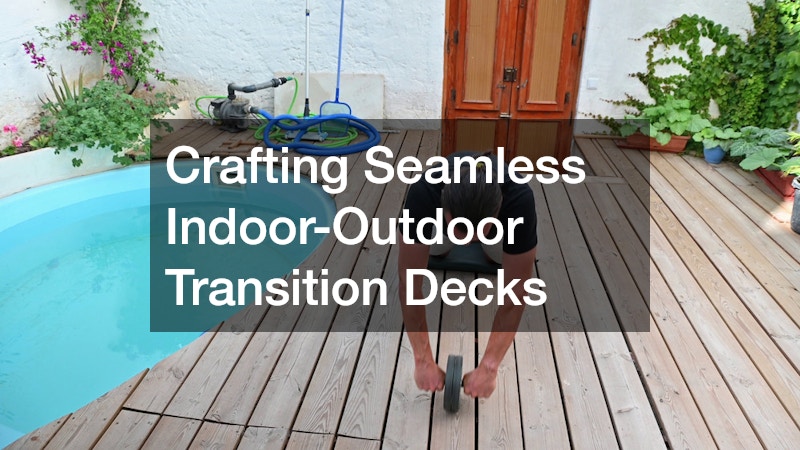
An elevated wooden or composite platform serves as the principal bridge between interior living rooms and open-air entertainment spaces. A well-designed deck extends your home’s footprint, providing a stable foundation for outdoor dining, grilling stations, and lounge furniture. Modern decking emphasizes low-maintenance composite products that resist fading, splintering, and insect infestation while accurately replicating natural wood grain.
Professional deck builders evaluate soil stability, structural framing loads, and spatial circulation patterns to design custom layouts tailored to your lifestyle. Multi-level platforms, integrated seating, and perimeter accent lighting create a functional space for hosting large groups or enjoying quiet evenings outdoors.
Essential elements for successful deck planning include:
- Substructure Integrity: Prioritize pressure-treated framing lumber, corrosion-resistant fasteners, and proper joist spacing to handle load weight.
- Railing Integration: Select cable railings, glass panels, or decorative metal balusters to maximize scenic views while maintaining code compliance.
- Thermal Comfort: Choose capped composite decking materials designed to dissipate heat under direct sunlight for comfortable barefoot walking.
5. Revitalizing Hardscape Surfaces Around Water Features
Surrounding pool walkways endure demanding conditions year-round, constantly exposed to moisture, pool chemicals, intense sun, and foot traffic. Over time, plain concrete decks can crack, fade, grow slippery, or retain excess heat, making them uncomfortable to walk on. Upgrading these surfaces enhances visual appeal while improving safety around wet zones.
Utilizing specialized pool deck resurfacing services allows homeowners to renew worn concrete without demolition. Polymer-modified cement coatings, knock-down textures, and stamped acrylic overlays create slip-resistant, cool-foot surfaces that withstand chemical splashing and UV exposure.
Consider these key benefits when resurfacing existing hardscapes:
- Temperature Reduction: Specialty acrylic coatings reflect solar heat, keeping walk paths significantly cooler than untreated concrete or dark pavers.
- Slip Resistance: Textured topcoats increase traction under wet conditions, reducing fall hazards around pool edges.
- Sealing Protection: Non-porous top coats prevent water, pool salts, and chlorine from penetrating micro-cracks and causing freeze-thaw damage.
6. Building Custom Aquatic Retreats
An inground pool serves as the ultimate centerpiece for luxury outdoor living, turning an ordinary lawn into a resort-style oasis. Modern aquatic installations are highly customizable, featuring rim-flow edges, integrated spas, ambient water features, LED lighting, and energy-efficient filtration systems. Designing a custom pool involves carefully balancing backyard space, soil conditions, and personal recreation preferences.
A skilled inground pool builder will walk you through material selections—such as poured concrete, custom tile, or low-maintenance fiberglass shells—to build a system tailored to your yard. Modern pool designs seamlessly integrate with surrounding decks, outdoor kitchens, and fire features, establishing a unified layout for outdoor entertainment.
Key design considerations for aquatic additions include:
- Shell Type: Choose between fiberglass shells for rapid installation or custom shotcrete for unlimited shape customization.
- Equipment Automation: Install smart control systems that let you regulate water temperature, lighting, and sanitization from a smartphone.
- Safety Integration: Incorporate secondary security measures like perimeter alarms, automatic safety covers, and self-latching gates.
7. Sustaining Year-Round Water Clarity and Sanitation
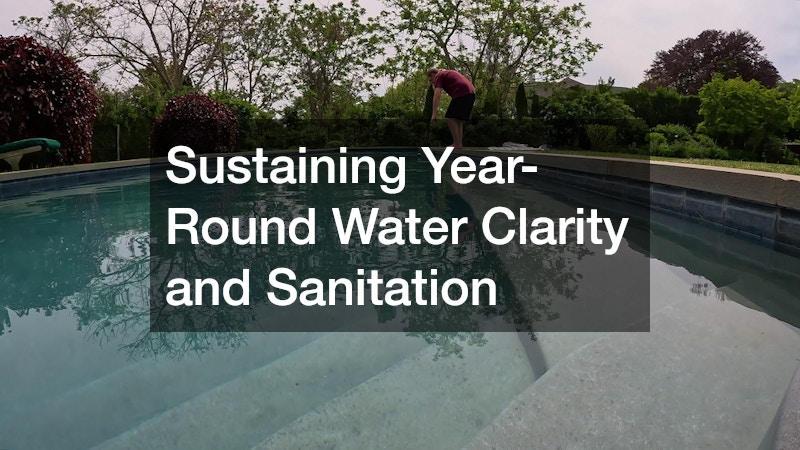
Installing a pool is only the first step; maintaining pristine water quality and proper mechanical operation requires continuous care. Balanced water chemistry prevents algae blooms, preserves interior plaster finishes, and protects sensitive filtration components from mineral scale buildup. Regular maintenance keeps your aquatic investment safe, hygienic, and ready for use at all times.
Partnering with a reliable pool company ensures your pumps, filters, salt cells, and chemical balances are routinely inspected by trained technicians. Scheduled servicing minimizes downtime, lowers chemical usage, and catches minor mechanical wear before it leads to system failure.
Essential routine maintenance tasks include:
- Chemical Balancing: Test pH, alkalinity, calcium hardness, and sanitizer levels weekly to prevent corrosion and skin irritation.
- Filtration Management: Backwash sand filters, clean cartridge elements, and clear pump baskets regularly to preserve water turnover rates.
- Seasonal Servicing: Perform comprehensive professional winterization and spring opening protocols to protect subterranean plumbing lines.
8. Installing Vibrant Green Lawns Without Continuous Irrigation
Achieving a dense, green lawn often demands constant watering, mowing, fertilizing, and chemical weed control. Natural grass struggles in heavily shaded spots, high-traffic dog runs, and arid climates, frequently turning into patchy dirt or mud. Modern synthetic grass solutions offer a vibrant, low-maintenance alternative that stays green year-round without demanding continuous watering.
Professional artificial turf installations deliver a clean, smooth, drought-tolerant lawn that looks natural while eliminating lawn care chores. Premium synthetic grass features built-in drainage layers, anti-microbial infill, and UV-stabilized fibers that hold up against heavy foot traffic and active pets.
Benefits of transitioning to modern synthetic turf include:
- Water Conservation: Cut outdoor water usage significantly by replacing thirsty natural turf with synthetic alternatives.
- Zero Chemical Runoff: Eliminate the need for synthetic nitrogen fertilizers, chemical weed killers, and toxic pesticides.
- Immediate Drainage: Perforated backing layers clear rainwater rapidly, preventing standing puddles and tracking mud indoors.
9. Constructing Long-Lasting Driveways and Vehicular Approaches
The driveway covers a substantial portion of your front yard, making its design central to your home’s curb appeal. Cracked, uneven, or oil-stained driveways detract from an otherwise well-maintained home. Upgrading your vehicular approach creates a clean, durable surface that holds up against heavy loads, changing weather, and daily automotive traffic.
Experienced asphalt paving contractors construct resilient, smooth driveways engineered for proper drainage and long-term durability. Quality installations start with a compacted aggregate base layer, followed by hot-mix asphalt layers designed to resist cracking and seasonal ground movement.
Crucial phases of professional paving include:
- Sub-Base Compaction: Establish a heavy-duty crushed stone base to support heavy vehicles without settling or rutting.
- Edge Anchoring: Form stable side shoulders to prevent pavement edges from crumbling under vehicle weight over time.
- Periodic Sealcoating: Apply protective coal-tar or asphalt emulsion sealers every few years to guard against UV oxidation and oil spills.
10. Coordinating Comprehensive Custom Renovations
When exterior updates involve multiple features—like combining new siding, custom decks, masonry entryways, and hardscaping—managing separate subcontractors can get overwhelming. Broad renovation scopes require coordinated engineering, streamlined permitting, and unified project management to keep timelines on track and ensure all materials match.
Hiring a general local home builder brings all your exterior renovations under one point of contact. A general contractor oversees structural integrity, manages specialized trades, ensures building code compliance, and maintains overall design cohesion across your entire property.
Advantages of centralized renovation management include:
- Coordinated Timelines: Schedule sequential trades efficiently to prevent overlapping work and avoid site delays.
- Unified Permitting: Manage all municipal site approvals, zoning variances, and structural inspections through a single licensed entity.
- Integrated Warranties: Secure comprehensive warranty coverage that protects both materials and structural labor across all completed projects.
Project Planning and Budget Allocation Strategies
Executing a major exterior transformation requires careful financial planning and project prioritization. Tackling upgrades in a logical order prevents work on one feature from damaging another. For instance, completing heavy grading, excavation, and structural paving before laying down delicate landscaping or synthetic turf protects your investments from construction traffic.
Consider these practical planning strategies:
- Establish Clear Priorities: Group projects into structural protection (roofs, drainage), functional living spaces (decks, pools), and aesthetic finishes (stone veneer, lawn turf).
- Phase the Construction: If completing everything at once exceeds your current budget, split the work into logical phases over two to three seasons.
- Budget for Contingencies: Reserve 10% to 15% of your total budget for unexpected site conditions, such as buried rock, poor soil, or hidden rot.
- Obtain Multiple Comprehensive Quotes: Request detailed, itemized bids from licensed professionals that clearly spell out material grades, labor timelines, and warranty terms.
Maximizing Value and Energy Efficiency
Beyond immediate aesthetic improvements, updating your home’s exterior offers great opportunities to boost thermal efficiency and lower utility costs. Modern siding, insulated roofing underlayment, and stone veneer barriers reduce thermal bridging, helping keep your home’s interior comfortable year-round.
Smart environmental choices also lower monthly maintenance costs. Replacing large water-dependent lawn sections with synthetic grass or hardscaping cuts monthly municipal water bills. Installing high-efficiency, variable-speed pool pumps reduces electrical consumption compared to single-speed pumps. Choosing durable, low-maintenance materials means you’ll spend less time and money on continuous repainting, staining, and chemical treatments over the life of your home.
Final Thoughts on Transforming Your Home’s Exterior
Transforming your home’s exterior is one of the most rewarding investments you can make as a homeowner. By pairing protective upgrades like quality roofing and heavy-duty driveways with lifestyle features like custom decks, pools, and low-maintenance landscaping, you create a beautiful, highly functional environment.
A thoughtful exterior strategy brings structural safety, personal comfort, and long-term financial growth into balance. When guided by clear planning and executed by skilled professionals, these exterior upgrades turn your property into a welcoming, high-performing home you will enjoy for decades to come.