This article will guide homeowners on identifying signs indicating a need for air conditioning repair. Understanding these signs can help you address issues early and maintain a comfortable home environment. Many people often overlook the subtle signs of a malfunctioning air conditioning system, only to face a breakdown during extreme weather conditions. Being vigilant about your AC’s performance can save you from hefty repair bills and uncomfortable hot days. This guide aims to equip you with the knowledge to detect these indicators before they escalate into significant problems.
What Are the Common Signs My AC Needs Repair?
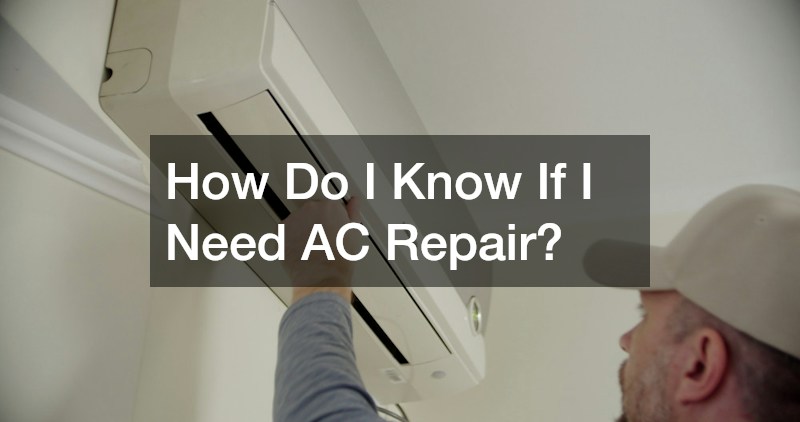
Recognizing the signs that your air conditioning unit requires repair is crucial in maintaining optimal performance. One of the most common indicators is if the AC unit is blowing warm air. This could be due to a malfunctioning compressor or issues with refrigerant levels. Additionally, unusual noises such as grinding or squealing emanating from the unit may suggest that components are wearing out or loose. If you notice a strange odor coming from the vents, it could indicate mold growth or a burnt-out wire inside the unit, both of which require immediate attention.
Another significant indicator is an unexpected increase in your energy bills. If your AC isn’t running efficiently, it may work harder than necessary, leading to higher utility costs without the corresponding cooling benefits. A frequent need to adjust the thermostat to maintain comfort could be a clear sign of an underlying problem with your HVAC system. Furthermore, experiencing inconsistent room temperatures, especially if some rooms are hotter or cooler than others, calls for a professional inspection. All these symptoms suggest it’s time to schedule a maintenance check.
Water leakage around or near your AC could also signify a system failure, possibly from a blocked or broken drain tube. If ignored, this can lead to water damage to your home. An AC unit that frequently cycles on and off may have electrical or thermostat issues that need expert handling. You should also watch for reduced airflow, which may result from either a blocked duct or a failing compressor. Each of these scenarios presents a reason to urgently contact a professional technician for AC repair.
Why Is My AC Not Cooling the House?
There are several reasons why your air conditioner might not be cooling your home effectively. One common cause is a dirty air filter, which restricts airflow, making it difficult for the AC to circulate air properly. Regularly changing or cleaning the air filter can prevent this issue and improve your AC’s efficiency. Another potential cause could be low refrigerant levels, which will need to be checked and replenished by a professional. Proper refrigerant levels are essential for effective cooling and to prevent further damage to the system.
In some cases, problems with the AC’s thermostat may prevent the system from reaching or maintaining the desired temperature. Calibrating or replacing the thermostat might solve the issue. Ductwork issues such as leaks or blockages can also contribute to insufficient cooling. Poor insulation or leaks in the ductwork allow cold air to escape before it can circulates throughout your home. If you’ve ruled out these possibilities, a failing compressor could be the culprit, requiring professional assessment and repair.
Finally, age can be a factor; older units may not perform as efficiently even with regular maintenance. If your AC is more than ten years old, it might be worth considering an upgrade to a more energy-efficient model. Upgrading can ultimately save you money on repairs and energy bills. A new, efficient air conditioner can significantly improve your home’s comfort and efficiency. Consulting with a professional to evaluate your current system and discuss updated options could be a wise investment.
When Should I Schedule Professional Maintenance?
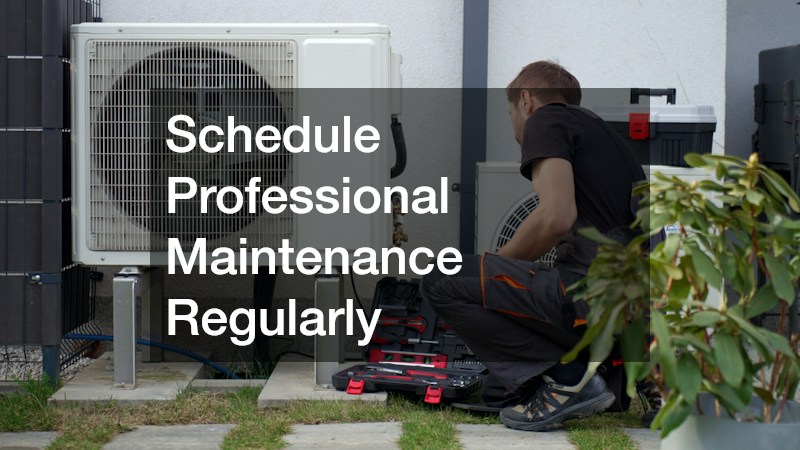
Routine professional maintenance is crucial in prolonging the lifespan of your air conditioning system and ensuring it operates efficiently. Ideally, maintenance should be performed twice a year—once before the cooling season begins and once afterward. This timing allows technicians to prepare the system for increased use and then assess any wear and tear accumulated over summer months. Regular checks help identify minor issues before they develop into costly repairs. A consistent maintenance schedule can also enhance the energy efficiency of your air conditioning system, leading to potential savings on utility bills.
In addition to seasonal maintenance, don’t ignore unusual performance issues, even if your last check-up was recent. Any noticeable changes in cooling capability, airflow, or energy consumption warrant immediate professional inspection. It’s better to be proactive with repairs rather than wait for complete system failure. Technicians can diagnose any problems during these checks and replace worn-out components, ultimately helping you avoid emergency repairs. Preventative care is always more cost-effective than reactive fixes.
A comprehensive maintenance visit will include checking refrigerant levels, cleaning coils, inspecting ductwork, and ensuring the thermostat functions correctly. Airflow tests, and electrical component examinations are also part of a typical service call. This thorough approach ensures issues that could otherwise go unnoticed are addressed timely. Maintaining a relationship with a trusted HVAC service provider can provide peace of mind, knowing your system is in expert hands. A well-maintained air conditioning unit will deliver reliable cooling performance when you need it most.
Can I Perform Any DIY Repairs on My AC?
While many AC issues require professional intervention, certain maintenance tasks can be safely handled by homeowners. Regularly replacing or cleaning the air filter is a simple yet vital task that can dramatically enhance your system’s efficiency and air quality. It’s a straightforward process that doesn’t require advanced technical knowledge. Additionally, keeping your outdoor unit free of debris and ensuring the surround area is clear can improve airflow and performance. Remove leaves, dirt, and other obstructions to allow the unit to run smoothly.
Homeowners can also carefully clean the fins and coils of their AC, provided they use the correct tools and techniques. A gentle approach using a soft-bristled brush and a light hand can dislodge dirt without damaging delicate components. Ensuring your thermostat functions correctly can also involve some DIY troubleshooting, such as checking settings and replacing batteries as needed. These small steps can help maintain your AC’s performance between professional services. However, attempting repairs beyond basic cleaning and maintenance could void warranties or cause additional damage.
For more complex issues, like refrigerant leaks, electrical failures, or motor problems, it is crucial to enlist a qualified technician. HVAC professionals have the training and tools to safely and effectively address these complex concerns. Avoid the temptation to conduct DIY fixes beyond basic maintenance tasks, as the risks of improper handling outweigh potential savings. Investing in professional repair services ensures safety, efficiency, and prolongs the life of your air conditioning system. A little professional intervention can go a long way in maintaining the comfort and functionality of your home environment.
What Are the Risks of Ignoring AC Problems?
Neglecting AC problems can lead to more than just uncomfortable temperatures. Over time, small issues can escalate into significant failures that require expensive and extensive repairs. Issues like low refrigerant levels or a failing compressor can cause your unit to overwork, leading to premature wear and tear and potentially shortening its lifespan. An overworked AC is more likely to break down during times of peak demand, such as hot summer days. Regular maintenance and timely repairs can prevent these costly scenarios and ensure your AC system remains a reliable component of your home.
Ignoring maintenance can also negatively impact the air quality within your home. An inefficient AC can circulate dust, pollen, and other allergens, contributing to poor indoor air quality. This can aggravate allergies and respiratory issues for the inhabitants. Over time, clogged filters and dirty ducts become breeding grounds for mold and bacteria, further compromising air quality. Addressing these risks through regular cleaning and servicing is vital for maintaining a healthy atmosphere in your household.
Finally, unattended AC issues can lead to increased energy costs. An inefficient system consumes more energy, racking up significant utility bills without providing the comfort you expect. Escalating energy expenses often signal that the AC is working harder to compensate for underlying issues. By prioritizing regular maintenance and promptly addressing repairs, homeowners can avert these risks, save money, and enjoy a consistently comfortable living environment. Keeping your AC in good working condition ensures that it operates economically and effectively throughout its lifespan.
Recognizing the symptoms of AC problems and addressing them promptly can prevent more significant issues, ensuring your AC runs efficiently and effectively. Professional assistance and regular maintenance are key to a well-functioning air conditioning system. By staying vigilant and proactive about your AC’s condition, you not only extend its life but also maintain comfort within your home. Timely repairs and regular maintenance checks are smart investments, offering long-term savings on energy costs and repair fees. In the end, a well-maintained air conditioning system contributes to a healthier, more comfortable living environment for you and your family.