Homeownership comes with ongoing responsibility, and maintaining a property in good condition requires attention to both interior and exterior systems. Over time, different parts of a home naturally experience wear due to weather exposure, daily use, and seasonal changes. Surfaces can lose their durability, mechanical systems may become less efficient, and outdoor areas often require upkeep to remain safe and visually appealing. Because of this, comprehensive home improvement is not a one-time effort but an ongoing process that helps protect both comfort and long-term property value.
Modern homeowners are increasingly focused on improving functionality while also enhancing aesthetics. That means projects are no longer limited to basic repairs but often include upgrades that improve energy efficiency, usability, and overall design cohesion. From structural elements to finishing details, every component plays a role in how a home performs and feels. A well-maintained property also contributes to reduced long-term costs by preventing small issues from turning into expensive repairs.
Exterior and interior improvements often work hand in hand. For example, strengthening a home’s structure can support interior renovations, while upgraded indoor systems can reduce strain on exterior components. This interconnected approach allows homeowners to create safer, more efficient, and more comfortable living environments. Whether the focus is on functionality, appearance, or long-term durability, thoughtful improvements ensure a home continues to meet evolving needs over time.
Transforming Lower-Level Living Spaces
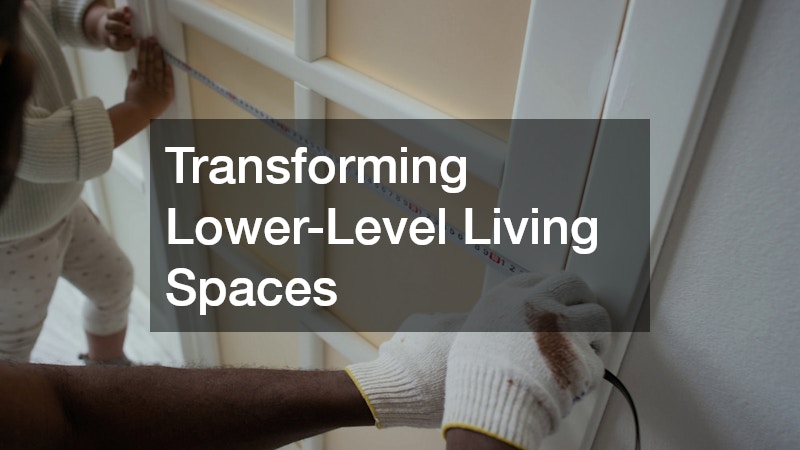
Basement areas are often underused, yet they hold significant potential for expanding livable square footage. Many homeowners choose to convert these spaces into entertainment rooms, guest suites, home offices, or fitness areas. Proper planning is essential, especially when addressing moisture control, insulation, and lighting to ensure the space is both comfortable and safe. A professional basement remodeler typically evaluates structural conditions before beginning any transformation to ensure long-term stability.
Design plays a major role in how effective the finished space becomes. Open layouts, strategic lighting, and moisture-resistant materials help create a welcoming environment that feels like a natural extension of the home. In many cases, these renovations also increase property value by adding functional living space without requiring an addition. The goal is to turn what was once unused square footage into a practical and enjoyable part of the home that supports everyday living needs.
Beyond layout and structural work, finishing details also make a major difference in basement transformations. Flooring choices, wall treatments, and soundproofing materials all contribute to comfort and usability. Proper ventilation systems are often installed to maintain air quality and prevent humidity buildup, which is especially important in lower-level environments. These combined efforts ensure the basement becomes a fully functional part of the home rather than just an auxiliary space.
Upgrading Kitchen Surfaces With Quality Craftsmanship
Kitchen surfaces play a central role in both functionality and design. Homeowners often prioritize durability and style when selecting materials, as countertops must withstand heat, moisture, and frequent use. Working with a countertop company allows for access to a range of materials such as quartz, granite, and engineered stone, each offering different benefits in terms of maintenance and appearance.
The installation process requires precision to ensure proper fit and long-term performance. Seam placement, edge detailing, and surface leveling all contribute to the final result. Beyond aesthetics, high-quality surfaces improve everyday usability by providing reliable workspaces for cooking and preparation. Upgrading these elements can dramatically transform the overall feel of a kitchen, making it more modern, efficient, and visually appealing while supporting long-term durability.
In addition to material selection, design coordination plays an important role in kitchen upgrades. Countertops must complement cabinetry, flooring, and lighting to create a cohesive look. Homeowners often choose finishes that balance practicality with style, ensuring surfaces remain easy to maintain while enhancing visual appeal. These upgrades not only improve daily functionality but also increase overall home value by modernizing one of the most frequently used spaces in the home.
Protecting Homes With Reliable Roofing Solutions
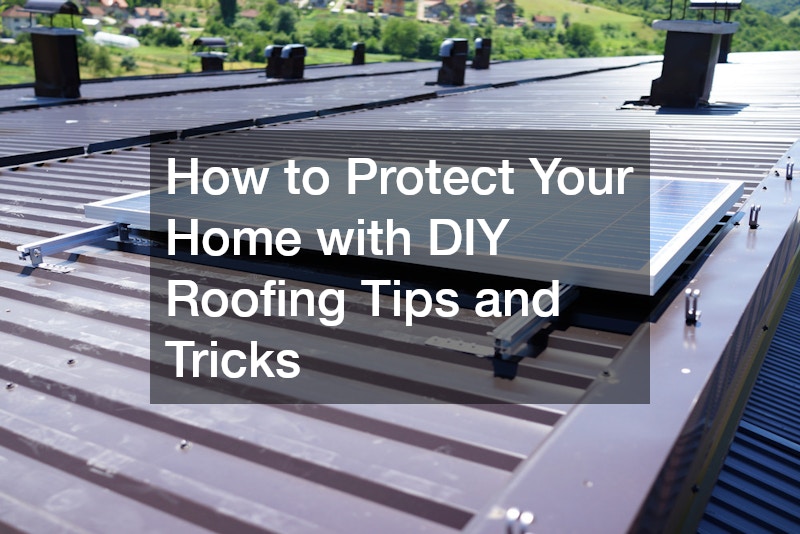
A roof is one of the most important protective systems in any home, shielding the structure from rain, wind, snow, and sun exposure. Over time, roofing materials can deteriorate, leading to leaks or reduced insulation performance. Working with a residential roofer ensures that inspections, repairs, or replacements are handled correctly and safely.
Modern roofing solutions focus on both durability and energy efficiency. Improved materials and installation techniques help extend the lifespan of the roof while also reducing heating and cooling costs. Regular maintenance is essential to identify early signs of damage, such as missing shingles or weakened flashing. By addressing issues promptly, homeowners can avoid more extensive structural damage and maintain the overall integrity of their property.
Roofing systems also contribute significantly to a home’s overall energy performance. Proper ventilation and insulation help regulate indoor temperatures, reducing strain on HVAC systems throughout the year. In addition, updated roofing materials often reflect heat more effectively, improving comfort during warmer months. These combined benefits make roofing upgrades one of the most valuable long-term investments in home maintenance.
Installing Efficient Cooling Systems for Year-Round Comfort
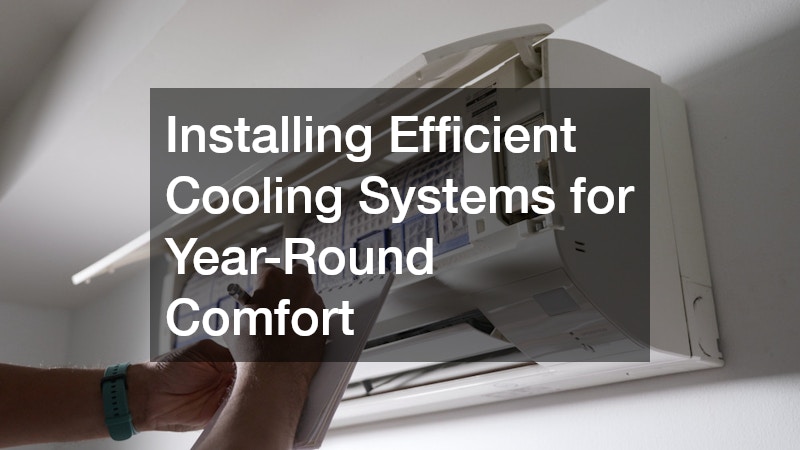
Indoor comfort depends heavily on a reliable cooling system, especially in regions with hot summers. Proper installation ensures that the system operates efficiently and maintains consistent temperatures throughout the home. Professional air conditioning installation involves evaluating square footage, insulation levels, and airflow patterns to determine the right system size and configuration.
Energy efficiency is a key consideration in modern cooling systems. Newer units are designed to reduce energy consumption while improving performance, helping homeowners manage utility costs more effectively. Regular maintenance also plays an important role in extending system lifespan and preventing unexpected breakdowns. A well-installed cooling system contributes significantly to overall home comfort and indoor air quality.
System placement and ductwork design also affect performance and efficiency. Poor airflow distribution can lead to uneven temperatures and increased energy use. Proper calibration during installation ensures that each room receives adequate cooling without overworking the system. This attention to detail helps maximize comfort while minimizing long-term operating costs and maintenance needs.
Preventing Water Damage With Exterior Protection
Water intrusion is one of the most damaging issues a home can face, often leading to structural deterioration, mold growth, and costly repairs. Exterior protection systems are designed to prevent moisture from entering the foundation and basement areas. A waterproofing service typically assesses drainage patterns, foundation integrity, and surrounding soil conditions before applying solutions.
Effective waterproofing may include sealing foundation walls, installing drainage systems, and improving grading around the property. These measures work together to redirect water away from vulnerable areas. Preventing water damage not only protects the structure but also helps maintain healthy indoor air quality. Long-term protection depends on both proper installation and periodic inspection to ensure continued effectiveness.
Additional exterior strategies can further strengthen water resistance. Gutter systems, downspout extensions, and sump pumps often work alongside waterproofing to create a comprehensive defense system. When these elements are properly maintained and integrated, they significantly reduce the risk of moisture-related damage. This layered approach ensures the home remains protected even during heavy rainfall or seasonal storms.
Enhancing Storage and Style With Custom Built-In Features
Storage solutions play an important role in maintaining organization and maximizing usable space within a home. Custom cabinetry allows homeowners to tailor storage to their specific needs while also enhancing interior design. High-quality cabinets can be integrated into kitchens, bathrooms, and living areas to improve both functionality and aesthetics.
Beyond storage, built-in features contribute to a more cohesive design by blending seamlessly with existing architecture. Materials, finishes, and hardware choices all influence the final look and durability. Well-designed cabinetry improves accessibility and reduces clutter, making everyday living more efficient. These upgrades often provide long-term value by combining practicality with visual appeal.
Custom storage also helps optimize space utilization in smaller or irregularly shaped rooms. Built-ins can be designed to fit exact dimensions, making use of areas that would otherwise go unused. This level of customization improves both organization and aesthetics, creating a more polished and functional interior environment tailored to the homeowner’s lifestyle.
Maintaining Healthy and Attractive Outdoor Spaces
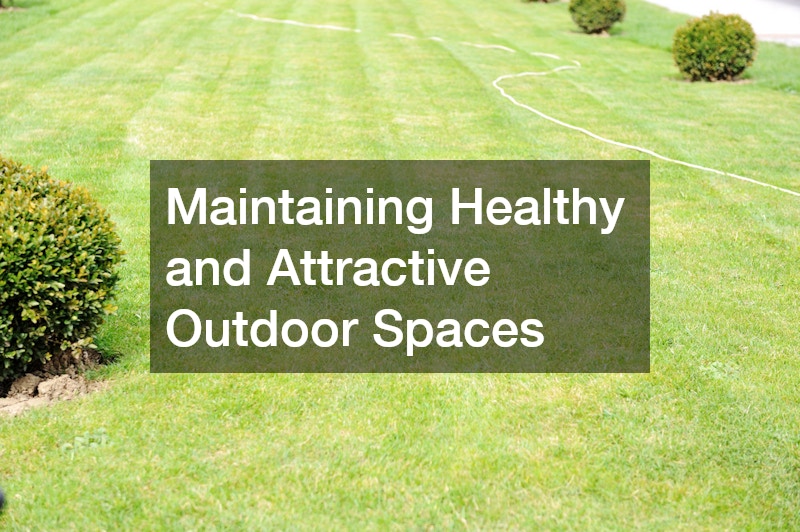
Outdoor areas require consistent maintenance to remain healthy and visually appealing throughout the year. Professional lawn care service providers manage tasks such as mowing, fertilization, weed control, and seasonal cleanups. These efforts help maintain strong turf health and prevent overgrowth or disease.
A well-maintained landscape also enhances curb appeal and creates a welcoming environment for visitors. Seasonal adjustments ensure that lawns remain resilient during changing weather conditions. Regular care supports long-term soil health and reduces the likelihood of costly landscape restoration in the future.
Beyond basic maintenance, landscaping design choices also influence outdoor usability. Proper plant selection, irrigation planning, and soil management all contribute to a sustainable and attractive yard. When combined with consistent upkeep, these elements create outdoor spaces that are both functional and visually balanced throughout the year.
Improving Safety and Efficiency in Home Heating Systems
Heating systems must operate safely and efficiently to ensure comfort during colder months. Over time, buildup inside chimneys can create blockages that reduce airflow and increase safety risks. A professional chimney sweep removes soot, debris, and creosote buildup to improve ventilation and reduce fire hazards.
Routine cleaning also enhances system efficiency by allowing heat to flow properly throughout the home. Regular inspections help identify structural issues early, preventing more serious problems. Proper maintenance ensures that heating systems operate reliably when they are needed most, contributing to both safety and energy efficiency.
Heating efficiency is also influenced by ventilation balance within the home. Blocked or restricted airflow can cause uneven heating and increased energy consumption. Regular servicing ensures that both chimney and heating systems operate in sync, improving overall performance while reducing long-term wear on equipment.
Creating Durable and Long-Lasting Driveway Surfaces
Driveways endure constant pressure from vehicles, weather, and temperature changes. Over time, this can lead to cracks, potholes, and surface deterioration. Asphalt driveway paving provides a durable solution that can withstand heavy use while maintaining a smooth, attractive appearance.
Proper installation is essential for long-term performance. This includes preparing the base, ensuring proper grading, and applying asphalt evenly. Regular sealing and maintenance help extend the lifespan of the surface and prevent water infiltration. A well-constructed driveway enhances both functionality and curb appeal.
Drainage design also plays a critical role in driveway longevity. Poor water runoff can weaken the foundation and accelerate surface damage. Proper slope and edge reinforcement help direct water away from the structure, preserving durability and reducing maintenance needs over time.
Ensuring Proper Water Flow and Roof Protection
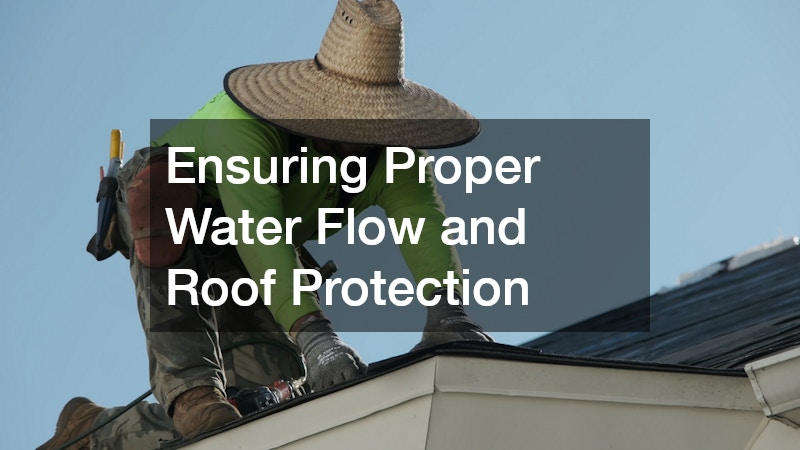
Gutters play a critical role in directing rainwater away from the home’s foundation and roof structure. When gutters become clogged or damaged, water can overflow and cause significant issues such as erosion, leaks, and structural damage. Gutter cleaning ensures that debris is removed and water can flow freely through the system.
Routine maintenance helps protect both roofing and foundation integrity by preventing unnecessary water accumulation. Clean gutters also reduce the risk of pest infestations and exterior staining. Maintaining this system is a simple but essential part of overall home protection and long-term property care.
Proper gutter alignment and repair are also important for system effectiveness. Even minor misalignments can cause overflow during heavy rain. Regular inspections ensure that brackets, downspouts, and drainage paths remain functional, helping protect the entire home from avoidable water damage.
Maintaining a home requires a balanced approach that addresses both interior and exterior systems. Each component of a property plays a role in overall performance, comfort, and long-term value. From structural improvements to finishing details, thoughtful upgrades help ensure that a home remains functional, safe, and visually appealing over time.
Investing in regular maintenance and professional services can prevent minor issues from developing into major repairs. Whether it involves improving living spaces, upgrading essential systems, or protecting the home from environmental damage, each effort contributes to a stronger and more efficient property. These improvements not only enhance daily living but also support long-term financial value by preserving the integrity of the home.
Ultimately, a well-maintained property reflects careful planning and consistent care. By addressing both immediate needs and long-term goals, homeowners can create spaces that are comfortable, durable, and adaptable to changing lifestyles.