Understanding how HVAC system repairs are conducted can shed light on why hiring a professional is crucial to maintaining a comfortable and energy-efficient home. HVAC systems are complex networks of components that require specialized knowledge and tools to repair properly. Many homeowners underestimate the importance of regular maintenance and the expertise needed to handle potential breakdowns.
By examining the detailed processes involved in professional HVAC repair, homeowners can better appreciate the skills and technology used in ensuring their systems run smoothly. In this article, we will explore common causes of HVAC failures, diagnostic techniques, essential repair tools, and optimal maintenance frequencies to help prevent future issues.
1. What are the common causes of HVAC system failures?
HVAC systems can fail for a variety of reasons, many of which stem from lack of maintenance or component wear and tear. One of the most frequent causes is a dirty air filter, which can significantly reduce airflow and lead to overheating or freezing issues. Electrical problems, such as faulty wiring or a tripped breaker, may also disrupt system function and require immediate attention. Another common issue is refrigerant leaks, which not only diminish the cooling capability of the system but can also damage the compressor if left unchecked. Lastly, mechanical wear, such as deteriorating belts or motors, can cause breakdowns if not addressed during routine inspections.
System failures are often exacerbated by factors like improper installation or inadequate system sizing. If an HVAC system is too small for a space, it will work harder to reach the desired temperature, causing components to wear down faster. Conversely, an oversized system will cycle on and off frequently, leading to increased strain on parts like compressors and fans. To mitigate these risks, professional installation by certified technicians ensures that each system is tailored to the specific needs of a home or building. Additionally, addressing issues like ductwork leaks can enhance system efficiency and reduce the likelihood of failure.
Environmental and situational factors also contribute to HVAC system failures. Changes in weather, such as unexpected temperature drops, might strain heating elements that are seldom used. Additionally, external factors like rodents or insect infestations can damage wiring or block airflow. To combat these challenges, preventative maintenance by professionals includes inspecting for potential environmental threats and sealing any exposed vulnerabilities. By understanding and addressing these common causes, homeowners, with professional guidance, can significantly reduce the occurrence of HVAC system failures.
2. How does a professional diagnose HVAC system problems?
The first step in professional HVAC diagnostics is conducting a comprehensive visual inspection of the entire system. Technicians will look for signs of visible damage, such as leaks, corrosion, or loose connections, which can provide immediate clues about potential issues. They assess components like coils, capacitors, and blower motors for signs of wear and tear. Thorough examinations often involve checking the condition of electrical wiring and components, ensuring there are no safety hazards like exposed wires or potential fire risks. This visual examination sets the foundation for more intricate diagnostic procedures.
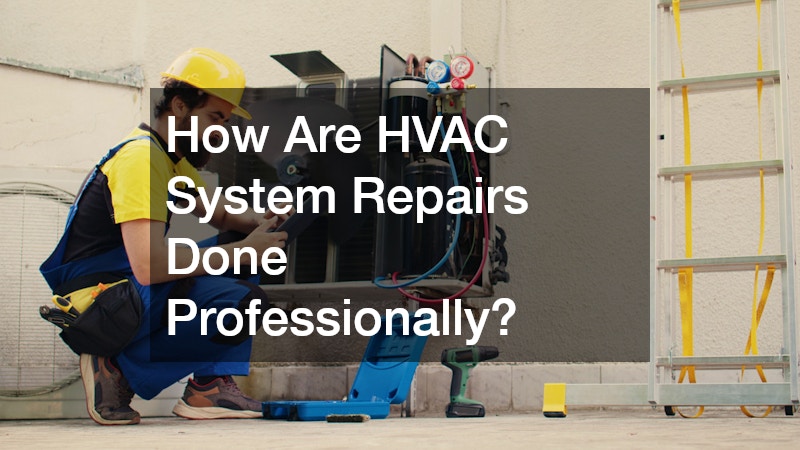
Following the visual inspection, technicians employ specialized diagnostic tools to further investigate and pinpoint problems. Pressure gauges, for example, are used to measure refrigerant levels, ensuring there are no leaks and that the system is charged correctly. Temperature probes are critical for assessing the efficiency of heat exchangers and verifying that thermostats are accurately sensing and responding to ambient conditions. Multimeters allow professionals to test electrical components for continuity and voltage, crucial for identifying faulty circuits or components like capacitors and relays. These tools enable technicians to gather precise data that guides their repair strategies.
Lastly, modern diagnostic approaches often incorporate digital technology and software. Many contemporary HVAC systems include built-in diagnostic codes that can be accessed through a digital interface, providing technicians with real-time data on system performance. Advanced systems may use IoT devices to detect and send alerts for potential issues before they escalate, allowing for proactive maintenance. By using both traditional and technology-enhanced diagnostic methods, professionals can ensure thorough and accurate evaluation, facilitating prompt and effective repairs, thus enhancing the system’s longevity.
3. What tools are essential for HVAC system repairs?
Professional HVAC repairs require a variety of specialized tools uniquely designed for the complex tasks encountered in the field. One of the most essential tools is the refrigerant gauge manifold, which allows technicians to check and adjust refrigerant levels to ensure optimal system performance. Vacuum pumps are crucial for evacuating air and moisture from refrigerant lines before refilling them, which is vital for preventing contamination and inefficiencies. Additionally, a reliable multimeter is indispensable for diagnosing electrical components, as it measures voltage, current, and resistance, helping to identify faulty parts or connections. These core tools form the backbone of effective HVAC repair.
In addition to these primary tools, HVAC professionals rely on an assortment of hand tools for assembling and disassembling system components. This includes insulated screwdrivers, wrenches, and pliers designed to handle delicate and tight-fitting parts safely. Precision tools like fin combs help in straightening condenser and evaporator coil fins, optimizing airflow and heat exchange capabilities. Crimpers and wire strippers are also vital for repairing electrical connections, ensuring that they are secure and functional. These hand tools complement the more advanced equipment, enabling comprehensive and precise HVAC repairs.
Technological advancements have introduced new tools that further enhance service efficiency and accuracy. Infrared thermometers and thermal imaging cameras allow technicians to quickly identify temperature discrepancies and potential thermal losses that could indicate underlying issues. Furthermore, digital HVAC tools, such as app-connected leak detectors and airflow meters, provide real-time data, aiding in more accurate diagnostics and repairs. By leveraging these essential and cutting-edge tools, HVAC professionals maintain high standards of safety and effectiveness in their repair services, ultimately improving the comfort and efficiency of their clients’ systems.
4. What are the typical steps involved in repairing an HVAC system?
The process of repairing an HVAC system begins with proper identification of the problem, typically achieved through a detailed inspection and diagnostic test. Once professionals determine the root cause, they can plan the specific repairs needed. The next step often involves shutting down the system and ensuring proper safety measures are in place, such as cutting power to prevent electrical injuries. Disassembling necessary components provides technicians with access to the malfunctioning parts, whether it’s the removal of panels or accessing ductwork. This methodical approach ensures that repairs are conducted efficiently and safely.
With access to the problematic area, technicians proceed with the specific repairs or replacements required. For instance, if a refrigerant leak is detected, the technician will repair or replace the affected line and refill it to the manufacturer’s specifications using the correct procedures. If a component, like a blower motor, is faulty, it will be replaced or repaired, maintaining compatibility with the existing system. Each step is carefully documented, allowing for clear communication with clients and ensuring that any replaced parts are under warranty. This transparency is crucial for maintaining trust and ensuring client satisfaction.
Once repairs are complete, the focus shifts to reassembly and testing the system to confirm the effectiveness of the repair. Technicians meticulously re-secure components, ensuring every screw and connection is restored to its original state or better. They then power the system back on and evaluate its performance, checking for optimal airflow, temperature regulation, and any signs of persistent issues. A successful repair concludes with advising the homeowner on any preventive measures or maintenance required to sustain system integrity, further underscoring the value of professional intervention and care in HVAC repairs.
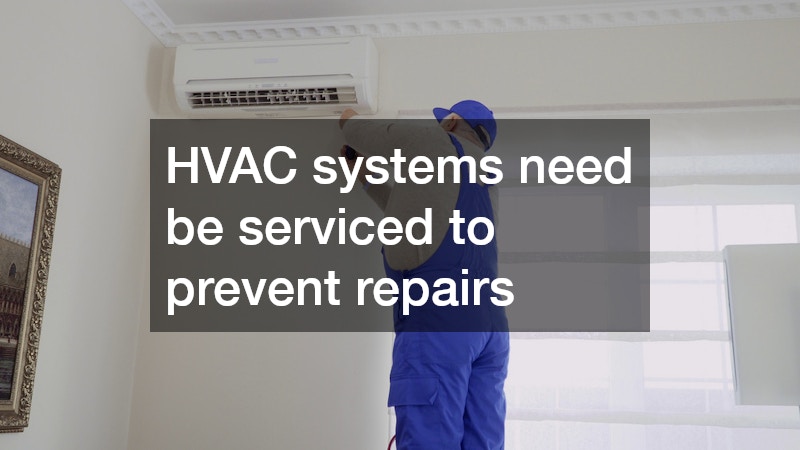
5. How often should HVAC systems be serviced to prevent repairs?
Preventive maintenance is crucial for extending the life of an HVAC system and reducing the frequency of repairs. Most professionals recommend that HVAC systems undergo maintenance checks at least twice a year; typically, once before the heating season begins and once before cooling demands rise. These scheduled inspections allow technicians to catch issues early, such as clogged filters or unusual noise, which can prevent costly breakdowns later. During these service visits, professionals also clean components and ensure that all parts are functioning correctly, thus maintaining system efficiency and safety. Regular maintenance is not only proactive but also an investment in the longevity of the HVAC system.
The benefits of regular HVAC maintenance go beyond just repair prevention. Consistent professional service helps maintain energy efficiency, ensuring the system is running at peak performance and keeping utility costs in check. Clean and well-maintained systems are also better for indoor air quality, reducing allergens and maintaining a healthier living environment. Furthermore, eligible systems often retain their manufacturer warranties when regular maintenance is documented, providing peace of mind and financial protection against unforeseen failures. Proper service, therefore, underscores the importance of a partnership between homeowners and trusted HVAC professionals.
Despite these recommendations, the actual frequency of needed service might depend on several factors including system age, usage patterns, and the environment in which it operates. Older systems or those in particularly dusty or high-use settings may necessitate more frequent checks. Building a customized maintenance schedule to align with these unique conditions is a service that experienced HVAC professionals offer, adapting their inspections to tackle specific challenges faced by the system. Ultimately, understanding the balance between routine maintenance and system demands ensures the HVAC system remains reliable and operational throughout its lifespan.
Professional HVAC repair and maintenance are crucial for ensuring efficient operation, preventing costly breakdowns, and extending the life of the system. Skilled technicians use a combination of knowledge, experience, and specialized tools to diagnose and resolve issues, providing homeowners with peace of mind and comfort. By routinely servicing systems, professionals help prevent common issues that could lead to system failure, saving homeowners significant time and expense in the long run. This holistic approach not only addresses immediate concerns but also paves the way for energy-efficient and reliable system performance. Understanding how these repairs are carried out helps homeowners appreciate the value of professional services, fostering a partnership that focuses on optimal home comfort.