
As temperatures drop and winter weather approaches, preparing your outdoor space can help protect your property, improve safety, and make spring maintenance easier. From strengthening outdoor structures to addressing drainage concerns, thoughtful upgrades can prevent seasonal problems before they begin. Taking care of these improvements now helps your property remain attractive, functional, and ready for whatever winter brings.
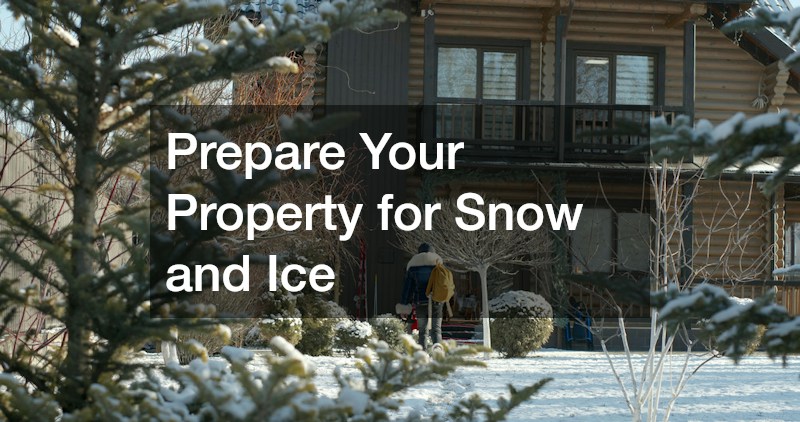
Prepare Your Property for Snow and Ice
Winter preparation starts with understanding how snow and ice affect the different areas of your property. Driveways, walkways, parking areas, and outdoor entrances can quickly become difficult to navigate when temperatures fall and precipitation accumulates. Planning ahead helps you maintain access to your home while reducing the likelihood of slips, vehicle damage, and unnecessary wear on paved surfaces.
For larger properties, long driveways, or homes with substantial paved areas, investing in appropriate snowplow equipment can make winter maintenance more efficient. The right setup depends on the size of the property, the amount of snowfall your region typically receives, and the surfaces that need to remain accessible. A system suited to your property’s layout can help clear snow without placing excessive stress on pavement, landscaping borders, or nearby structures.
Consider where snow will be moved before the first major storm arrives. Piling snow near foundations, drainage openings, or delicate landscaping can create additional problems as it melts and refreezes. Designating suitable snow-storage areas helps prevent runoff from collecting in inconvenient places. It is also useful to keep access routes clear around utility equipment, outdoor stairs, and emergency entrances.
Choose Reliable Tools for Winter Maintenance
Having the right supplies available before the first snowfall can make routine winter upkeep less stressful. Even properties with modest driveways and walkways need a plan for clearing accumulated snow, managing slippery surfaces, and keeping entrances usable. Waiting until a major storm arrives can leave homeowners scrambling to find suitable supplies when demand is high.
Quality snow removal equipment can help homeowners and property managers handle seasonal maintenance more consistently. Depending on the property’s size and needs, useful options may include sturdy snow shovels, snow pushers, powered snow blowers, and appropriate ice-management tools. Selecting equipment that matches the expected workload can reduce unnecessary strain and make it easier to clear areas before packed snow becomes difficult to remove.
Storage is another important consideration. Keep winter supplies in a dry, accessible location, such as a garage or weather-resistant storage building. Organizing tools near the primary entrance or driveway can save time when snow begins to accumulate. Check equipment before the season starts, looking for damaged handles, worn components, or other issues that could interfere with reliable operation.
Strengthen Fences Before Freezing Weather Arrives
Fences experience considerable stress during winter. Strong winds, heavy snowfall, shifting soil, and repeated freeze-thaw cycles can loosen posts, weaken connections, and place pressure on panels. A fence that appears stable during mild autumn weather may struggle once the ground freezes or snow begins to collect against its surface. Addressing existing weaknesses early can help preserve the structure and reduce the likelihood of more extensive damage.
Scheduling fence repairs before winter allows damaged sections to be evaluated while outdoor conditions are still manageable. Leaning posts, loose fasteners, cracked boards, unstable gates, and deteriorating support components deserve attention. The appropriate repair depends on the fence material and the underlying cause of the problem. Wood, vinyl, metal, and composite fencing all respond differently to moisture, temperature changes, and physical pressure.
Drainage around fence posts is particularly important. Water that collects near the base of a post can freeze, expand, and contribute to movement over time. If certain sections sit in low areas where runoff accumulates, improving the surrounding drainage may help reduce repeated moisture exposure. Vegetation that crowds the fence should also be evaluated, especially when branches could fall against panels during a storm.
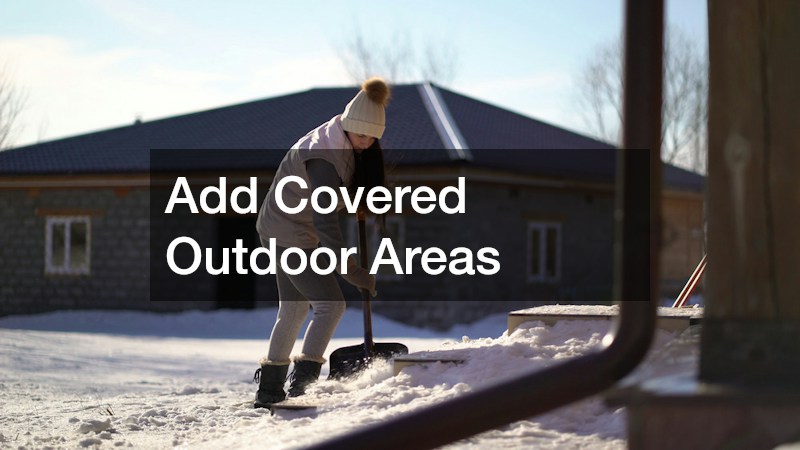
Add Covered Outdoor Areas for Greater Protection
Outdoor living spaces may receive less use during winter, but they still need protection from seasonal weather. Patios, decks, and seating areas are exposed to precipitation, wind, and temperature fluctuations that can affect furniture, flooring, and nearby exterior walls. Thoughtful improvements can limit exposure while helping these spaces remain useful during milder winter days and transition smoothly into spring.
A well-planned patio cover can provide shelter from rain and snow while reducing the amount of precipitation that falls directly onto outdoor furniture and the immediate patio surface. Depending on the design, a cover may also offer shade during warmer months, making it a versatile addition throughout the year. Options range from attached roof structures to freestanding covers, with materials and configurations selected to complement the home’s architecture.
Before choosing a design, consider local weather conditions, expected snow loads, wind exposure, and the condition of the existing patio or deck. A structure needs appropriate support and drainage to handle the environmental demands of its location. Roof pitch, gutter placement, and the direction of runoff can influence how well the covered area performs during periods of heavy precipitation.
Inspect Outdoor Structures for Storm Vulnerabilities
Winter storms can reveal weaknesses in outdoor structures that may go unnoticed during calmer seasons. Wind-driven rain, ice accumulation, falling branches, and heavy snow can affect sheds, pergolas, detached garages, retaining walls, and other features. Inspecting these structures in autumn gives homeowners an opportunity to identify deterioration before severe weather makes repairs more difficult or urgent.
Professional storm damage repair may be necessary when an outdoor structure has already experienced wind, water, or impact damage. Signs of concern can include displaced roofing materials, cracked supports, loose siding, damaged flashing, or water entering a building. Even relatively small openings can allow moisture to reach vulnerable materials, where repeated freezing and thawing may worsen existing deterioration.
Pay attention to drainage around sheds, garages, and other outbuildings. Water that flows toward a structure can soften the surrounding ground, affect its foundation, or enter through low openings. Gutters and downspouts should direct runoff away from buildings and walkways. If the property includes retaining walls, look for visible movement, cracking, or drainage issues that could become more problematic during periods of saturated soil and freezing temperatures.
Evaluate Your Roof and Outdoor Drainage
Although a roof is part of the home’s exterior envelope, its condition directly affects the outdoor spaces below it. Damaged shingles, loose flashing, clogged gutters, and poorly directed runoff can contribute to moisture problems around foundations, patios, decks, and walkways. Winter makes these concerns especially important because water may freeze in gutters, accumulate around entrances, or find its way into vulnerable areas.
Arranging an inspection with local roofers can help identify roofing issues before snow and ice make access more difficult. A professional assessment may reveal missing or damaged shingles, deteriorating flashing, compromised seals, or other conditions that warrant attention. Taking care of these issues early can reduce the risk of leaks and help the roofing system withstand seasonal weather.
Gutters and downspouts should be included in the broader winter preparation plan. Leaves, twigs, and other debris can obstruct water flow, allowing precipitation to overflow near exterior walls or pool around the foundation. Once temperatures fall, trapped water may freeze and add weight to the gutter system. Clear drainage pathways help direct moisture away from areas where it could create slippery conditions or contribute to property damage.
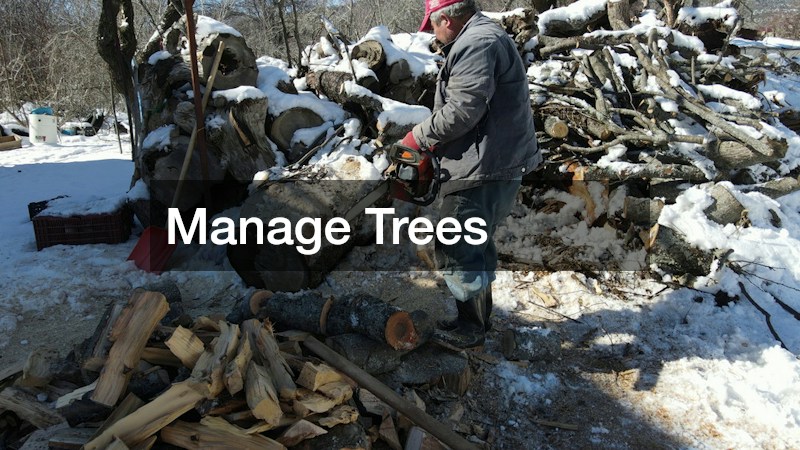
Manage Trees and Overhanging Branches
Trees add shade, privacy, and natural beauty to a property, but winter weather can place considerable stress on their branches. Heavy, wet snow and ice may cause limbs to bend or break, especially when trees are already weakened by disease, decay, or previous damage. Strong winds can also bring down dead branches, creating risks for roofs, fences, vehicles, outdoor furniture, and people using the property.
Working with experienced tree loggers or qualified tree-care professionals can help address larger tree-related concerns before winter storms arrive. A professional can evaluate trees that lean unexpectedly, have damaged trunks, show signs of decay, or contain large limbs extending over buildings and other vulnerable areas. The appropriate response may involve targeted pruning, removal of a hazardous tree, or additional assessment when the condition is uncertain.
Not every branch requires removal, and excessive pruning can harm a tree’s health. Decisions should account for the species, overall condition, branch structure, and local growing conditions. A qualified tree-care specialist can distinguish between ordinary seasonal growth and defects that may increase the likelihood of breakage. Trees near overhead utilities require particular caution and should be handled by appropriately qualified personnel.
Improve Driveways and Walkways Before the Ground Freezes
Driveways and walkways are among the outdoor features most affected by changing winter conditions. Repeated freezing and thawing can worsen existing cracks, while standing water may seep into small openings and expand as it freezes. Uneven pavement can also make snow clearing more difficult and increase the risk of trips when surface defects are hidden beneath snow or ice.
A qualified driveway contractor can evaluate the condition of asphalt, concrete, pavers, or other driveway materials and recommend suitable improvements. Depending on the surface, work may involve patching cracks, repairing damaged sections, addressing uneven areas, or planning a more extensive resurfacing project. Completing appropriate repairs before harsh weather arrives can help prevent existing problems from deteriorating further.
Drainage should be part of any driveway assessment. Water that pools near the garage, flows toward the house, or collects along the edges of pavement may contribute to erosion and winter ice. Correcting the underlying slope or improving drainage pathways can help move water toward appropriate outlets. These changes may also protect nearby planting beds and prevent runoff from washing away soil or decorative materials.
Address Grading and Drainage Concerns
Proper grading helps direct water away from the home and other outdoor structures. When soil slopes toward a foundation, shed, or patio, melting snow and winter rain may collect in unwanted places. As the water freezes, it can create slippery surfaces, affect the surrounding soil, and contribute to repeated moisture exposure. Correcting these issues before winter can protect the property and make spring cleanup easier.
For properties with substantial grading problems, drainage challenges, or plans that involve changing ground levels, residential excavation may be part of the solution. Depending on site conditions, professional work could involve reshaping sections of the yard, preparing areas for drainage improvements, or correcting ground levels around outdoor features. The scope of work should reflect the property’s layout, soil conditions, existing utilities, and how water naturally moves across the land.
Not every drainage concern requires major excavation. In some cases, maintaining existing drainage channels, clearing obstructed outlets, or making smaller landscape adjustments may be sufficient. However, persistent pooling near foundations or significant erosion may indicate an underlying issue that deserves a professional assessment. Understanding the cause of the problem is important before choosing a solution, because a poorly planned change can redirect water toward neighboring properties or other vulnerable areas.
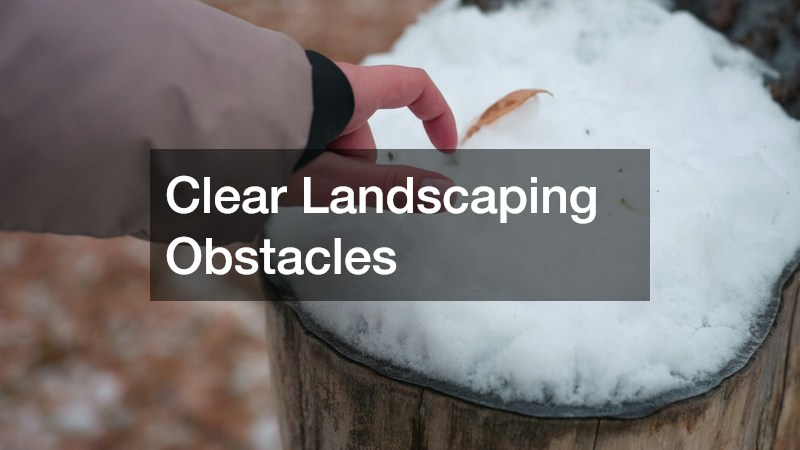
Remove Old Stumps and Clear Landscaping Obstacles
Autumn is a useful time to evaluate landscape features that could become inconvenient or hazardous during winter. Old tree stumps, exposed roots, broken branches, and overgrown vegetation can interfere with lawn maintenance, snow clearing, and access to outdoor structures. Snow may conceal these obstacles, making them harder to notice and increasing the chance of equipment damage or accidental trips.
Professional stump grinding can remove the visible remains of a previously cut tree, helping create a smoother and more usable area. An old stump may interfere with plans for lawn improvements, garden beds, pathways, or other landscape features. Removing it can also make the property easier to maintain and reduce the chance that the stump will be hidden beneath snow during the winter months.
Before scheduling the work, consider what will happen to the area afterward. Depending on the stump’s size, location, and condition, the remaining space may need additional soil, grading, or landscaping to restore a suitable surface. If the location is close to a fence, driveway, foundation, or buried utility, the contractor should evaluate those factors before beginning. Planning the finished area in advance helps ensure that stump removal supports the property’s broader design.
A winter-ready outdoor space begins with proactive decisions. With a well-planned approach and qualified help for complex projects, you can protect your investment, maintain curb appeal, and look forward to welcoming warmer weather with fewer repairs waiting in the spring.